Can Natural Remedies Truly Help Combat Obesity?
Obesity has reached epidemic proportions globally, presenting a significant challenge to public health. While conventional treatments often involve dietary restrictions, increased physical activity, and sometimes pharmaceutical interventions, there's a growing interest in natural remedies. Many individuals seek alternative or complementary approaches, hoping to leverage the power of nature to support their weight management journey.
The appeal of natural solutions lies in their perceived safety and holistic benefits. But beyond anecdotal evidence, what does science truly say about the efficacy of herbs, specific foods, and lifestyle interventions in the fight against obesity? This article delves into the research, separating myth from fact, and exploring how a science-backed natural approach can be a powerful ally in achieving sustainable weight loss and improving metabolic health.
Understanding Obesity: More Than Just Calories In, Calories Out
Before exploring natural remedies, it's crucial to understand obesity as a complex, chronic disease influenced by a myriad of factors beyond simple caloric imbalance.
Obesity is defined as having an excessive amount of body fat, typically indicated by a Body Mass Index (BMI) of 30 or higher. However, BMI is merely a screening tool and doesn't tell the whole story. The condition is a sophisticated interplay of genetics, environmental factors, lifestyle choices, hormonal imbalances, and even the gut microbiome. For many, obesity is not a failure of willpower but a manifestation of underlying biological dysregulation.
Key contributing factors include:
- Genetic Predisposition: Some individuals are genetically more prone to weight gain and fat storage.
- Environmental Factors: Easy access to high-calorie, low-nutrient processed foods, coupled with sedentary lifestyles.
- Hormonal Imbalances: Hormones like leptin (satiety), ghrelin (hunger), insulin (blood sugar regulation), and cortisol (stress) play significant roles in appetite, metabolism, and fat storage.
- Metabolic Dysfunction: A slow or inefficient metabolism can make weight loss incredibly difficult, even with calorie restriction. Understanding the symptoms of a slow metabolism is often a first step in addressing this.
- Gut Microbiome: Emerging research highlights the profound impact of gut bacteria on nutrient absorption, energy extraction from food, and inflammation, all of which can influence weight.
- Psychological Factors: Stress, emotional eating, and mental health conditions can significantly impact eating habits and physical activity levels.
Recognizing this complexity is the first step towards finding effective, sustainable solutions, which often involve a multi-pronged approach that natural remedies can complement.
💡 Key Takeaway
Obesity is a complex condition driven by genetics, environment, hormones, and metabolism. Effective natural remedies must address these underlying factors holistically, rather than focusing solely on calorie counting.
Dietary Interventions: Fueling Your Body Naturally for Weight Loss
The foundation of any natural weight loss strategy lies in what you eat. Certain dietary components have been extensively studied for their impact on satiety, metabolism, and fat storage.
1. High-Fiber Foods: The Satiety Powerhouse
Dietary fiber, found in fruits, vegetables, whole grains, and legumes, is indigestible plant material that plays a crucial role in weight management.
- Increased Satiety: Fiber adds bulk to food, making you feel fuller for longer, thus reducing overall calorie intake. Soluble fiber, in particular, forms a gel-like substance in the digestive tract, slowing down gastric emptying.
- Improved Digestion & Gut Health: Fiber promotes regular bowel movements and feeds beneficial gut bacteria, contributing to a healthy microbiome which, as mentioned, is linked to weight regulation.
- Blood Sugar Control: It helps stabilize blood sugar levels, preventing spikes and crashes that can lead to cravings and increased fat storage.
2. Protein-Rich Diets: Building Blocks for Metabolism
Protein is arguably the most important macronutrient for weight loss.
- High Thermic Effect: Your body expends more energy digesting protein compared to fats or carbohydrates, meaning you burn more calories simply by eating it.
- Enhanced Satiety: Protein is highly satiating, reducing hunger and preventing overeating. It impacts hormones like ghrelin and GLP-1, which signal fullness.
- Muscle Preservation: When you lose weight, you want to lose fat, not muscle. Adequate protein intake helps preserve lean muscle mass, which is metabolically active and crucial for a healthy metabolism.
3. Healthy Fats: Not All Fats Are Equal
Contrary to old beliefs, healthy fats are essential for weight loss and overall health.
- Satiety: Fats slow down digestion, contributing to a feeling of fullness.
- Hormone Production: They are vital for the production of hormones that regulate metabolism and appetite.
- Nutrient Absorption: Healthy fats help absorb fat-soluble vitamins (A, D, E, K).
4. Hydration: The Often-Overlooked Element
Drinking enough water is a simple yet powerful natural remedy.
- Appetite Suppression: Sometimes, thirst is mistaken for hunger. Drinking water before meals can reduce calorie intake.
- Metabolism Boost: Studies suggest that drinking water can temporarily increase resting energy expenditure, aiding in calorie burning.
- Detoxification: Water helps the body flush out toxins and supports organ function.
Herbal and Plant-Based Remedies: Nature's Metabolic Boosters
Beyond whole foods, several plant extracts and herbs have been investigated for their potential to influence weight loss mechanisms.
1. Green Tea Extract (EGCG)
Green tea is rich in catechins, particularly epigallocatechin gallate (EGCG), which has been linked to increased metabolism and fat oxidation. Research suggests EGCG can enhance norepinephrine activity, a hormone that plays a role in burning fat. Combined with caffeine, green tea extract may significantly boost energy expenditure and fat burning, particularly during exercise. Its antioxidant properties also contribute to overall metabolic health.
2. Turmeric (Curcumin)
The active compound in turmeric, curcumin, is renowned for its powerful anti-inflammatory and antioxidant properties. Chronic inflammation is often associated with obesity and metabolic syndrome. Curcumin may help mitigate this inflammation and improve insulin sensitivity, thereby supporting weight management. Some studies also suggest it can inhibit the growth of fat cells and reduce fat tissue formation.
3. Garcinia Cambogia (Hydroxycitric Acid - HCA)
Garcinia Cambogia, a tropical fruit, contains Hydroxycitric Acid (HCA), which some studies suggest may aid weight loss by suppressing appetite and inhibiting an enzyme called citrate lyase, which is involved in fat production. While some human studies show modest weight loss effects, the results are inconsistent, and more robust research is needed to confirm its widespread efficacy and optimal dosage.
4. Ginger
More than just a spice, ginger has thermogenic properties, meaning it can slightly increase body temperature and metabolic rate. It also aids digestion, reduces inflammation, and may help with satiety. Some studies indicate ginger can help reduce body weight and waist-to-hip ratio, particularly when combined with other weight loss strategies.
5. Caffeine (from natural sources like coffee, guarana)
Caffeine is a well-known stimulant that can temporarily boost metabolism and increase fat burning. It achieves this by stimulating the central nervous system and increasing levels of hormones like epinephrine. While effective in the short term, the body can build tolerance, and excessive intake can lead to side effects like anxiety and sleep disturbances. Natural sources are generally preferred over synthetic caffeine.
6. Cayenne Pepper (Capsaicin)
The compound capsaicin, responsible for the heat in cayenne pepper, is a powerful thermogenic agent. It can increase calorie burning, reduce appetite, and promote fat oxidation. Studies have shown that consuming capsaicin can lead to a small but significant increase in energy expenditure and a reduction in hunger, particularly when taken before meals.
It is important to remember that while these natural remedies show promise, they are not standalone solutions for obesity. They work best as part of a comprehensive program that includes a balanced diet and regular exercise, and their effects can vary greatly among individuals.
💡 Key Takeaway
Herbal remedies like green tea, turmeric, and cayenne pepper can offer scientifically-backed support for metabolism and fat burning. However, they should always complement a healthy lifestyle and be used cautiously, ideally under professional guidance.
Lifestyle Modifications: The Cornerstone of Sustainable Weight Loss
Dietary and herbal interventions are significantly bolstered by crucial lifestyle changes that address the root causes of weight gain and metabolic dysfunction.
Prioritize Quality Sleep
Lack of sleep disrupts hormones that regulate appetite and hunger. Insufficient sleep increases ghrelin (hunger hormone) and decreases leptin (satiety hormone), leading to increased cravings for high-calorie foods. Aim for 7-9 hours of quality sleep per night to optimize hormone balance and energy levels, making healthy choices easier.
Manage Stress Effectively
Chronic stress elevates cortisol levels, which can promote abdominal fat storage and increase appetite, particularly for comfort foods. Incorporate stress-reducing activities like meditation, yoga, deep breathing exercises, or spending time in nature. Managing stress is a critical, often underestimated, component of successful weight management.
Engage in Regular Physical Activity
Exercise is indispensable. It burns calories, builds muscle mass (which boosts metabolism), improves insulin sensitivity, and enhances mood. A combination of aerobic exercise (walking, jogging, swimming) and strength training (lifting weights, bodyweight exercises) is ideal. Even small increases in daily activity can make a significant difference. For those struggling with energy, understanding the symptoms of a slow metabolism can provide insight into tailored exercise approaches.
Practice Mindful Eating
Mindful eating involves paying full attention to your food, recognizing hunger and fullness cues, and eating slowly without distractions. This practice can help reduce overeating, improve digestion, and foster a healthier relationship with food. It encourages savoring meals and listening to your body's signals, preventing unnecessary calorie intake.
The Role of Micronutrients and Targeted Supplementation
While a whole-food diet should provide most essential nutrients, certain micronutrients and targeted supplements can play supportive roles in metabolic health and weight management.
1. Vitamin D
Often referred to as the "sunshine vitamin," Vitamin D deficiency is common in individuals with obesity. Research suggests a link between low Vitamin D levels and increased fat mass. Supplementation may improve insulin sensitivity and support weight loss, although more research is needed to establish a direct causal link. Ensuring adequate Vitamin D levels is crucial for overall health, including bone health and immune function.
2. B Vitamins
B vitamins (B1, B2, B3, B5, B6, B7, B9, B12) are essential for energy metabolism. They play a critical role in converting food into energy, synthesizing fatty acids, and breaking down carbohydrates and proteins. While they don't directly cause weight loss, a deficiency can impair metabolic function, making weight management more challenging. Supplementing with a B-complex can ensure optimal energy production.
3. Magnesium
Magnesium is involved in over 300 enzymatic reactions in the body, including those related to energy production and glucose metabolism. Deficiency is common and can contribute to insulin resistance, a key factor in obesity. Supplementation may improve insulin sensitivity and help regulate blood sugar, indirectly supporting weight loss efforts.
4. Chromium Picolinate
Chromium is a trace mineral that enhances the action of insulin, a hormone critical for carbohydrate, fat, and protein metabolism. Studies suggest that chromium picolinate supplementation can improve blood sugar control, reduce cravings for carbohydrates, and potentially lead to modest reductions in body fat. It's often included in weight management supplements for its role in glucose metabolism.
5. Probiotics
The gut microbiome's influence on weight is a rapidly expanding area of research. An imbalance in gut bacteria (dysbiosis) has been linked to obesity and metabolic dysfunction. Probiotic supplements, containing beneficial bacteria, may help rebalance the gut flora, improve digestion, reduce inflammation, and potentially influence energy extraction from food, thereby supporting weight loss. For a deeper dive into how these and other vital nutrients contribute to fat loss, explore our article on vitamins for weight loss.
Considering a Natural Supplement like TrimX
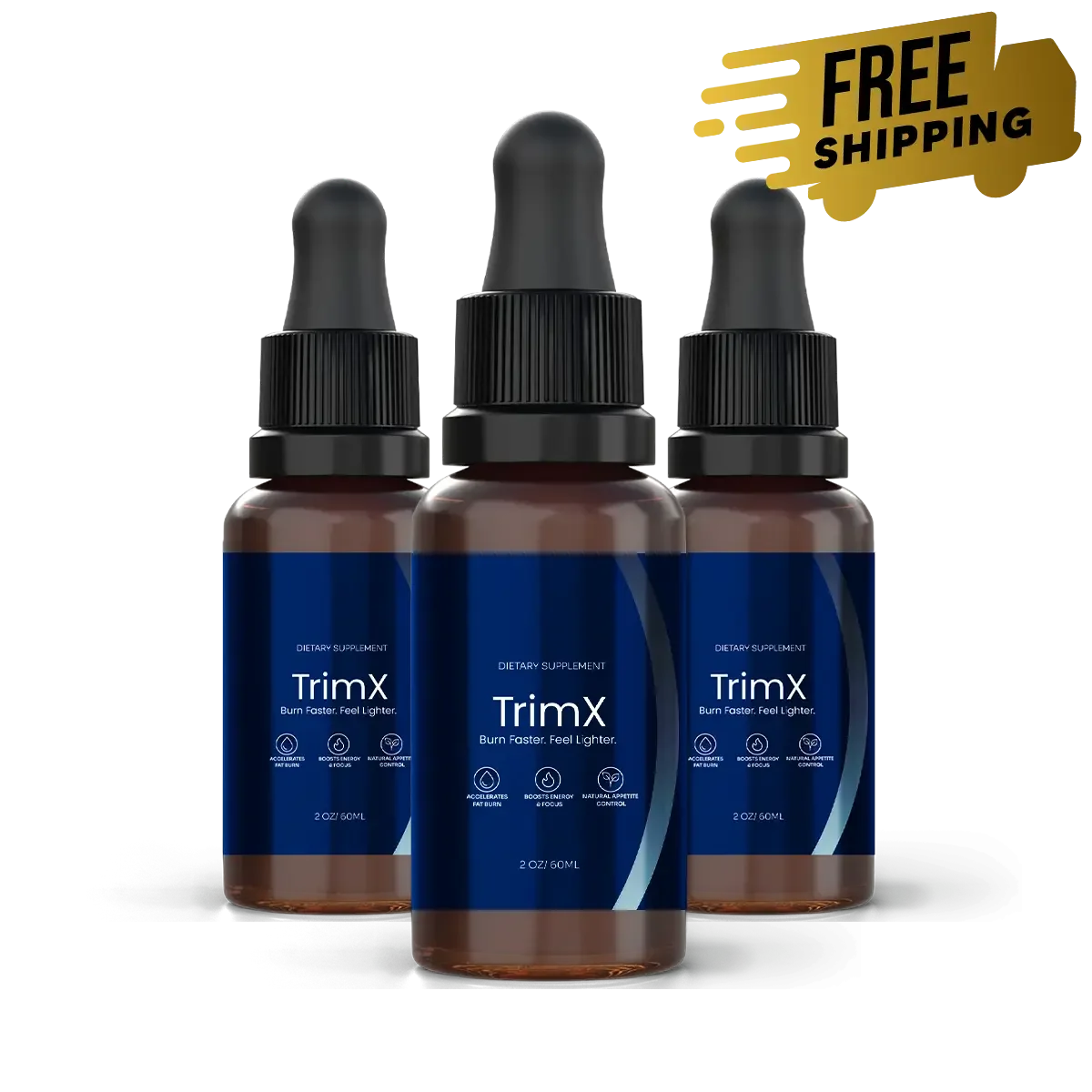
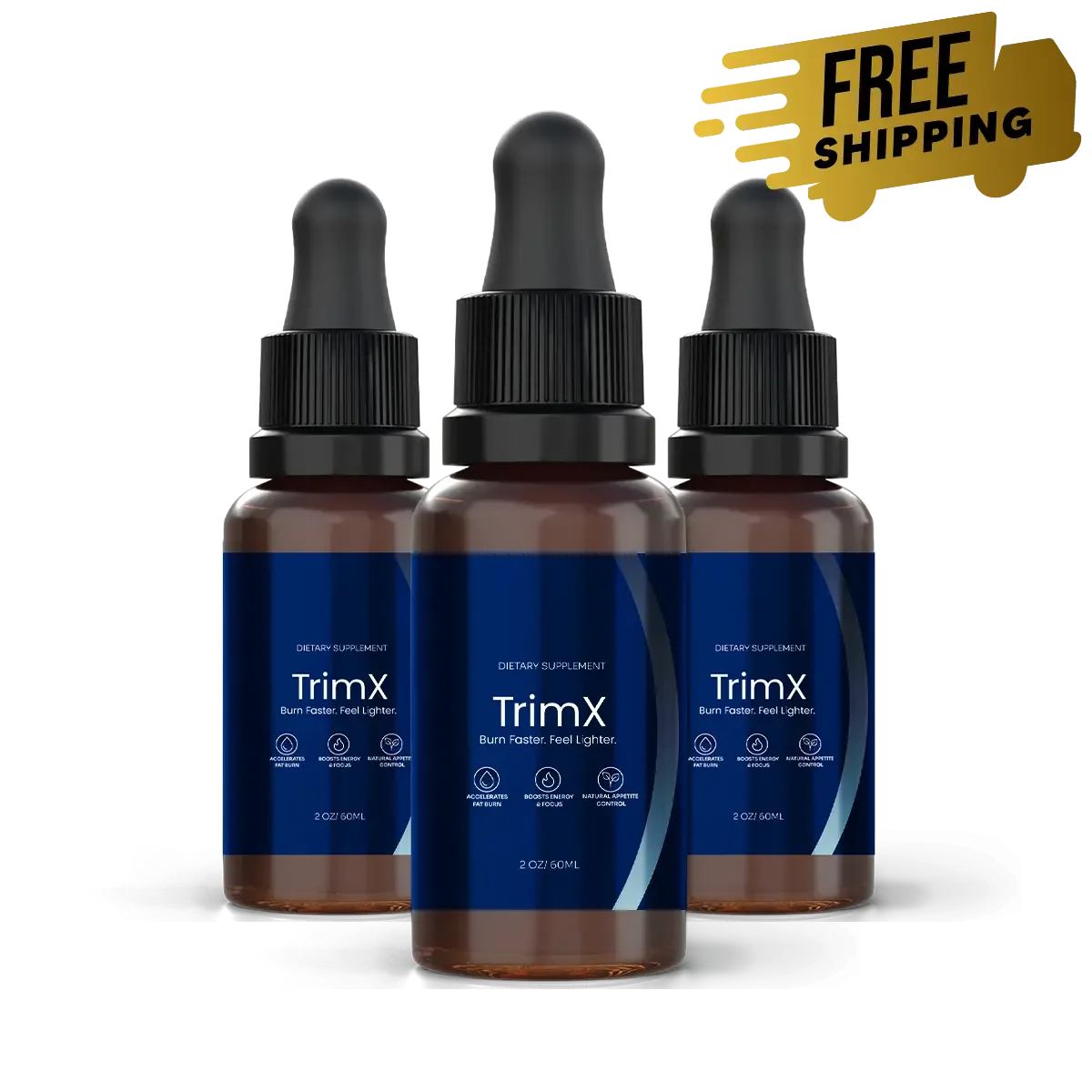
While individual ingredients offer benefits, some individuals seek comprehensive support through natural supplements formulated to combine several beneficial compounds. Products like TrimX are designed to offer a blend of natural ingredients that may support metabolic function, enhance fat burning, and help manage appetite. These supplements are often formulated based on scientific research into the synergistic effects of various plant extracts and micronutrients, providing a convenient way to incorporate these elements into a holistic weight management plan. It's important to view such supplements as complementary tools, not replacements for fundamental dietary and lifestyle changes.
💡 Key Takeaway
Micronutrients like Vitamin D, B vitamins, Magnesium, and Chromium are vital for metabolic health. Targeted supplementation, alongside a balanced diet, can support cellular energy and glucose regulation, complementing a natural weight loss strategy. Products like TrimX offer a blend of such ingredients to aid this process.
Key Ingredients in Natural Weight Management Support
Green Tea Extract
Rich in EGCG, a powerful antioxidant and thermogenic compound that helps boost metabolism and increase fat oxidation. It supports energy expenditure and contributes to overall metabolic health.
Chromium Picolinate
An essential trace mineral that enhances insulin sensitivity, helping to regulate blood sugar levels and reduce cravings for carbohydrates, which can be beneficial for appetite control and fat loss.
L-Carnitine
A naturally occurring amino acid that plays a crucial role in transporting fatty acids into the mitochondria, where they are burned for energy. This can enhance fat burning, especially during exercise.
Caffeine Anhydrous
A concentrated form of caffeine that acts as a stimulant, increasing energy levels, enhancing focus, and boosting thermogenesis. It can temporarily elevate metabolic rate and promote fat breakdown.
Cayenne Pepper Extract
Contains capsaicin, which has been shown to increase body temperature, boost metabolism, and reduce appetite. It contributes to satiety and can enhance the body's ability to burn calories.
Ready to Embrace a Natural Approach to Weight Management?
TrimX is a premium natural supplement formulated with a powerful blend of science-backed ingredients designed to support your body's natural fat-burning capabilities and metabolic health. If you're looking for an effective, natural complement to your healthy lifestyle, TrimX could be the solution you've been searching for.
- ✓ Boosts Metabolism & Energy
- ✓ Supports Healthy Fat Burning
- ✓ Reduces Cravings & Appetite
- ✓ 100% Natural & Non-GMO Ingredients
- ✓ Made in USA, GMP Certified



Integrating Natural Remedies into a Holistic Plan
The scientific evidence strongly supports the role of natural remedies, diet, and lifestyle in combating obesity. However, success hinges on a comprehensive, integrated approach.
Natural remedies for obesity are most effective when viewed as components of a broader, holistic strategy. This means:
- Consistency is Key: Sustainable weight loss is a marathon, not a sprint. Consistent adherence to healthy eating, regular physical activity, and mindful lifestyle practices yields the best long-term results.
- Individualization: What works for one person may not work for another. Genetic variations, underlying health conditions, and personal preferences all play a role. It's vital to find an approach that is sustainable and enjoyable for you.
- Professional Guidance: Before embarking on any significant dietary changes, starting a new supplement, or increasing physical activity, it is always advisable to consult with a healthcare professional. A doctor or registered dietitian can provide personalized advice, screen for potential interactions with medications, and ensure your plan is safe and appropriate for your individual health needs.
- Patience and Persistence: Natural weight loss, by its very nature, tends to be gradual. Celebrate small victories, learn from setbacks, and remain persistent in your commitment to health.
Ultimately, the science suggests that nature offers powerful tools for weight management. By understanding these tools and integrating them intelligently into your daily life, you can unlock your body's potential for natural fat burning, improved metabolic health, and a vibrant, energetic future. Remember, true health is about more than just a number on the scale; it's about feeling your best, inside and out.
What Our Customers Are Saying
"I was skeptical about natural supplements, but TrimX genuinely helped kickstart my weight loss. I feel more energetic and my cravings are definitely reduced. It's been a great addition to my diet and exercise routine."
"After years of struggling, TrimX gave me the metabolic boost I needed. Combined with healthier eating, I've seen steady progress. It feels good to support my body with natural ingredients."
"I love that TrimX is all-natural. I've noticed a significant improvement in my energy levels and my clothes are fitting much better. It’s comforting to know I'm taking something pure to support my health goals."
Frequently Asked Questions
What are the most effective natural remedies for obesity?
+The most effective natural remedies for obesity involve a combination of dietary changes, increased physical activity, adequate sleep, and stress management. Specific natural ingredients like green tea extract, high-fiber foods, and lean proteins have scientific backing for their roles in metabolism and satiety. However, these are best utilized as part of a comprehensive, physician-guided weight management plan.
Can herbal supplements truly aid in weight loss?
+While some herbal supplements like green tea extract, turmeric, and cayenne pepper have shown promising results in small studies for boosting metabolism or reducing appetite, their efficacy varies widely. They are not magic pills and should always be used as an adjunct to a healthy diet and exercise, not a replacement. Always consult a healthcare professional before starting any new supplement regimen.
How does diet play a role in natural obesity management?
+Diet is foundational to natural obesity management. Emphasizing whole, unprocessed foods rich in fiber, lean protein, and healthy fats can significantly improve satiety, regulate blood sugar, and support metabolic health. Reducing intake of refined sugars, unhealthy fats, and processed foods is crucial. A balanced diet provides the body with essential nutrients while minimizing calorie intake.
What lifestyle changes complement natural obesity remedies?
+Beyond diet, crucial lifestyle changes include regular physical activity (both aerobic and strength training), ensuring 7-9 hours of quality sleep per night, and implementing effective stress management techniques. These factors profoundly influence hormone regulation, energy expenditure, and overall metabolic function, creating a supportive environment for natural weight loss.
Are natural remedies safe for everyone?
+Natural remedies are not universally safe for everyone. Their safety can depend on individual health conditions, existing medications, allergies, and the quality/dosage of the product. Pregnant or breastfeeding individuals, those with chronic diseases, or those on prescription medications should exercise extreme caution and always consult a doctor before trying any natural remedy or supplement.
When should I consider a product like TrimX as part of my natural weight management strategy?
+A product like TrimX can be considered as a supportive measure once you have established a foundation of healthy diet and lifestyle changes, and ideally after consulting with your healthcare provider. It's designed to complement these efforts by providing a blend of natural ingredients that may support metabolism and fat burning. It is not a standalone solution for obesity but can be a valuable component of a holistic approach.
Related Articles