Are You Experiencing the Hidden Signs of a Slow Metabolism?
Many of us strive for a healthier lifestyle, focusing on diet and exercise. Yet, for some, the scale stubbornly refuses to budge, and energy levels remain consistently low. This frustrating scenario often points to an underlying issue: a slow metabolism.
Your metabolism is the complex process by which your body converts food and drink into energy. When it slows down, your body becomes less efficient at burning calories, leading to a host of unwelcome symptoms, including stubborn weight gain and persistent fatigue. Understanding these signs is the first step toward taking control of your metabolic health.

Understanding Your Metabolism and Its Crucial Role
Before diving into the symptoms, it's essential to grasp what metabolism truly is and why it's so vital for your overall well-being, not just weight management.
Your metabolism is the biochemical engine that powers every cell in your body. It encompasses all the chemical reactions that occur to maintain life. This includes converting the food you eat and the beverages you drink into energy, which your body uses for everything from breathing and circulating blood to repairing cells and performing physical activity. Even when you're resting, your body is burning calories for these basic functions – this is known as your basal metabolic rate (BMR). A healthy, efficient metabolism means your body is adept at utilizing nutrients, burning fat for fuel, and maintaining optimal energy levels. Conversely, a slow metabolism means these processes are sluggish, making it harder for your body to convert food into usable energy and more likely to store excess calories as fat. This isn't just about aesthetics; it impacts your energy, mood, cognitive function, and long-term health, contributing to conditions like obesity and metabolic syndrome.
💡 Key Takeaway
A slow metabolism isn't just about weight gain; it's a fundamental inefficiency in how your body converts food to energy, impacting everything from your mood and energy levels to your ability to burn fat effectively.
Key Symptoms Your Metabolism Might Be Sluggish
Recognizing the signs of a slow metabolism is the first step toward addressing it. These symptoms often manifest subtly, becoming persistent issues over time.
Unexplained Weight Gain and Difficulty Losing It
One of the most common and frustrating indicators of a slow metabolism is gaining weight without a significant change in diet or activity, or struggling immensely to lose weight despite consistent efforts. Your body isn't efficiently burning calories, leading to increased fat storage. This can be particularly disheartening when you feel like you're doing everything right.
Persistent Fatigue and Low Energy Levels
If you constantly feel tired, even after a full night's sleep, it could be a sign. A slow metabolism means your body isn't producing energy efficiently from the food you consume. This chronic lack of energy can affect your productivity, mood, and desire to exercise, creating a vicious cycle that further hinders metabolic activity.
Feeling Cold All the Time
Metabolism plays a crucial role in regulating body temperature. When your metabolic rate is low, your body generates less heat, causing you to feel cold, especially in your hands and feet, even in moderately cool environments. This is your body conserving energy rather than expending it to maintain warmth.
Brain Fog and Poor Concentration
A sluggish metabolism can affect brain function. If you experience difficulty concentrating, memory issues, or a general "foggy" feeling, it might be related to your body's inefficient energy production for cognitive processes. The brain requires a steady supply of glucose, and poor metabolic function can disrupt this.
Digestive Issues and Bloating
A slow metabolism can extend to your digestive system, leading to symptoms like constipation, bloating, and indigestion. When the metabolic processes throughout your body are slow, digestion can also become sluggish, impacting nutrient absorption and waste elimination.
Dry Skin, Brittle Hair, and Nails
Your skin, hair, and nails are indicators of your internal health. A slow metabolism can reduce the rate of cell turnover and nutrient delivery to these tissues, leading to dry, dull skin, brittle hair that may thin, and weak, fragile nails. This is because your body prioritizes essential functions over non-vital ones when energy is scarce.

Beyond the Obvious: Other Subtle Signs
While the primary symptoms are often weight-related, a slow metabolism can manifest in other, less obvious ways that impact your daily life.
Beyond the more commonly recognized signs, a sluggish metabolism can also contribute to a range of other issues. Many individuals report mood swings or increased irritability, which can be linked to fluctuating energy levels and hormonal imbalances often associated with metabolic dysfunction. The body's inability to efficiently regulate blood sugar can lead to energy crashes, directly impacting mood and emotional stability.
Another subtle sign might be increased cravings for sugary or high-carb foods. When your body isn't effectively burning fat for fuel, it seeks quick energy sources, often leading to intense desires for foods that provide an instant, albeit short-lived, sugar rush. This can perpetuate a cycle of poor dietary choices that further slow metabolism.
Furthermore, a weakened immune system, leading to frequent illness, can also be a consequence. Metabolic processes are crucial for immune cell function, and a compromised metabolism can leave your body more vulnerable to infections and slower recovery times. If you find yourself constantly catching colds or taking longer to bounce back from illness, it might be worth considering your metabolic health.
Poor sleep quality, even when you get enough hours, can also be a subtle indicator. While poor sleep can *cause* metabolic slowdown, a sluggish metabolism can also disrupt the delicate balance of hormones that regulate sleep, making restful sleep elusive. This creates a challenging feedback loop where each issue exacerbates the other.
Understanding these comprehensive signs is crucial for a holistic view of your health. If you recognize several of these symptoms, it’s a strong signal that your body's metabolic engine might need attention. Consulting with a healthcare professional is always recommended to rule out other underlying conditions and to get personalized advice.
Common Causes Behind a Slow Metabolism
Several factors contribute to a slowdown in metabolic rate, some within our control and others less so.
Age
As we age, our BMR naturally declines. This is often due to a decrease in muscle mass and changes in hormonal balance, making it harder to maintain weight and energy levels.
Genetics
Some individuals are born with a naturally slower metabolism, a genetic predisposition that can make weight management more challenging. While genetics play a role, they are not the sole determinant.
Poor Diet & Calorie Restriction
Diets low in essential nutrients, excessive processed foods, and extreme calorie restriction can signal your body to conserve energy, thus slowing down your metabolism. The body perceives prolonged calorie deficits as starvation, adapting by burning fewer calories.
Lack of Sleep
Insufficient or poor-quality sleep disrupts hormones that regulate appetite (ghrelin and leptin) and metabolism (cortisol and insulin), leading to increased fat storage and decreased energy expenditure.
Sedentary Lifestyle
Lack of physical activity, especially strength training, reduces muscle mass. Since muscle burns more calories than fat, a sedentary lifestyle directly contributes to a lower metabolic rate.
Chronic Stress
Constant stress elevates cortisol levels, a hormone that can promote fat storage, particularly in the abdominal area, and interfere with thyroid function, further slowing metabolism.
Hormonal Imbalances
Conditions like hypothyroidism (underactive thyroid) or insulin resistance can significantly impact metabolic rate, making fat burning extremely difficult. These conditions require medical diagnosis and treatment.
Strategies to Reignite Your Metabolism and Boost Fat Burning
The good news is that a slow metabolism isn't a life sentence. There are numerous effective strategies you can adopt to kickstart your metabolic engine and enhance your body's fat-burning capabilities.
One of the most impactful changes you can make is through your diet. Focus on consuming a balanced, nutrient-dense diet rich in protein, fiber, and healthy fats. Protein has a higher thermic effect of food (TEF), meaning your body burns more calories digesting it. Incorporating lean proteins like chicken, fish, legumes, and eggs can significantly boost your metabolic rate. Fiber-rich foods like vegetables, fruits, and whole grains not only aid digestion but also promote satiety, preventing overeating. Avoid highly processed foods, excessive sugars, and unhealthy trans fats, which can disrupt metabolic function and promote inflammation.
Regular exercise is another cornerstone of metabolic health. A combination of strength training and cardiovascular exercise is ideal. Strength training builds muscle mass, and muscle tissue is metabolically active, burning more calories at rest than fat tissue. Aim for at least 2-3 strength training sessions per week. High-intensity interval training (HIIT) is particularly effective for boosting metabolism, as it creates an "afterburn effect" (EPOC) where your body continues to burn calories at an elevated rate for hours after your workout. Even moderate activities like walking and jogging contribute to overall calorie expenditure.
Don't underestimate the power of sufficient sleep. Aim for 7-9 hours of quality sleep per night. Poor sleep disrupts hormones like ghrelin (which stimulates appetite) and leptin (which signals fullness), leading to increased cravings and reduced metabolic rate. It also elevates cortisol, the stress hormone, which can promote fat storage. Managing stress levels through practices like meditation, yoga, or spending time in nature is also crucial, as chronic stress can slow metabolism.
Staying adequately hydrated is often overlooked but vital. Water is essential for all metabolic processes, including fat burning. Drink plenty of water throughout the day, especially before meals, to support your metabolism and promote satiety. Additionally, incorporating certain vitamins and minerals can play a supportive role in metabolic function. You can learn more about specific vitamins that aid weight loss by checking out our article on vitamins for weight loss.
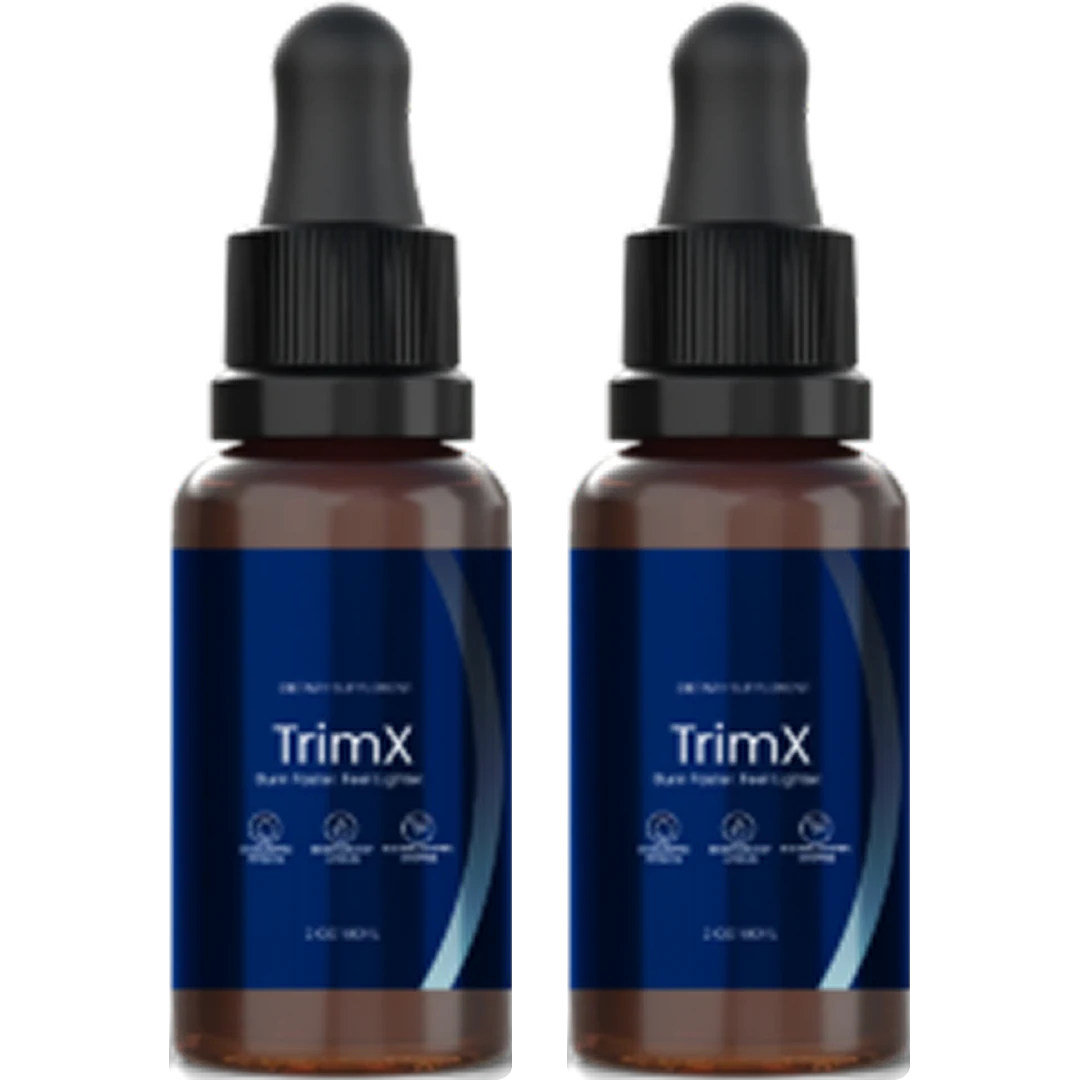
Finally, for those looking for an extra edge, natural supplements designed to support metabolic function can be considered. Products like TrimX are formulated with ingredients known to help optimize your body's ability to burn fat and boost energy. While supplements are not a magic bullet, they can complement a healthy lifestyle. You might be interested in a detailed comparison of different options; for example, you can read our TrimX vs. Other Fat Burners Comparison to see how it stacks up.
Key Ingredients for Metabolic Support (Found in TrimX)
While a balanced diet is paramount, certain natural ingredients have been scientifically studied for their ability to support a healthy metabolism and fat burning.
Green Tea Extract
Role: Rich in catechins, particularly EGCG, green tea extract is known to enhance thermogenesis (heat production) and fat oxidation, helping the body burn more calories and fat. It also provides antioxidant benefits.
Recommended: 250-500mg dailyCapsicum Annuum (Cayenne Pepper)
Role: Contains capsaicin, which can increase metabolic rate and promote fat burning by stimulating thermogenesis. It can also help reduce appetite and boost energy expenditure.
Recommended: 100-300mg dailyChromium Picolinate
Role: An essential trace mineral that plays a role in carbohydrate and lipid metabolism. It helps improve insulin sensitivity, which is crucial for blood sugar regulation and efficient energy use.
Recommended: 200-1000mcg dailyL-Carnitine
Role: An amino acid derivative that transports fatty acids into the mitochondria, where they are burned for energy. This makes it vital for fat metabolism and energy production.
Recommended: 500-2000mg dailyGuggul Extract
Role: Derived from the guggul tree, this extract contains guggulsterones, which are believed to support thyroid function, a key regulator of metabolic rate. It may also help manage cholesterol levels.
Recommended: 75-150mg dailyRhodiola Rosea
Role: An adaptogenic herb that helps the body adapt to stress. By reducing stress-induced cortisol, it can indirectly support metabolic health and prevent stress-related weight gain.
Recommended: 200-600mg dailyWhen to Seek Professional Help
While many metabolic issues can be addressed through lifestyle changes, it's crucial to know when professional medical advice is needed.
If you've been experiencing persistent symptoms of a slow metabolism – such as significant and unexplained weight gain, chronic fatigue that doesn't improve with rest, extreme cold sensitivity, or severe digestive issues – it's important to consult with a healthcare professional. These symptoms can sometimes overlap with other medical conditions, such as hypothyroidism, insulin resistance, or even certain autoimmune disorders. A doctor can perform diagnostic tests, including blood work to check thyroid function, blood sugar levels, and other relevant markers, to pinpoint the exact cause of your symptoms. They can also offer personalized advice, dietary recommendations, and discuss potential treatments or supplements that are appropriate for your specific health profile.
Working with a registered dietitian or a certified personal trainer can also provide valuable guidance in creating a sustainable plan for diet and exercise tailored to your metabolic needs. Remember, understanding your body and seeking timely professional help can make a significant difference in your journey toward optimal metabolic health. For more insights into how specific products are reviewed, you can refer to our TrimX Review 2026.
Reignite Your Metabolism with TrimX
If you're tired of battling a sluggish metabolism, TrimX offers a scientifically-backed blend of natural ingredients designed to support your body's fat-burning capabilities and boost your energy levels.
- ✓ Supports a healthy metabolic rate
- ✓ Enhances natural fat burning
- ✓ Boosts energy and reduces fatigue
- ✓ Formulated with clinically studied ingredients
- ✓ Made in the USA, GMP Certified



What Our Customers Are Saying
"I've struggled with my weight and constant fatigue for years. TrimX has been a game-changer! My energy is up, and I'm finally seeing results on the scale. Highly recommend!"
"I was skeptical, but TrimX genuinely helped me feel more energetic and less bloated. My clothes fit better, and I feel more confident. It's truly helped kickstart my metabolism."
"After having kids, my metabolism just wouldn't cooperate. TrimX gave me the boost I needed to get back on track. I have more stamina for workouts and my digestion has improved."
Frequently Asked Questions
What exactly is a slow metabolism?
+A slow metabolism refers to a state where your body burns calories at a slower rate than average, even at rest. This means your body is less efficient at converting food into energy, leading to excess calories being stored as fat. It affects your basal metabolic rate (BMR), impacting everything from weight management to energy levels and overall health. While genetics play a role, lifestyle factors such as diet, exercise, sleep, and stress can significantly influence metabolic speed.
How can I tell if my metabolism is slow?
+Identifying a slow metabolism involves recognizing a cluster of common symptoms. These include persistent unexplained weight gain, even with moderate eating habits, chronic fatigue, difficulty losing weight despite diet and exercise, feeling cold constantly, brain fog, and digestive issues. While these symptoms can be indicative, a definitive diagnosis often requires consultation with a healthcare professional who can consider your medical history and potentially order tests.
Can a slow metabolism be reversed or improved?
+Yes, in many cases, a slow metabolism can be significantly improved through targeted lifestyle changes. Strategies include adopting a balanced, nutrient-dense diet rich in protein and fiber, incorporating regular strength training and cardiovascular exercise, prioritizing 7-9 hours of quality sleep, managing stress effectively, and staying well-hydrated. Certain supplements designed to support metabolic function can also be considered as part of a comprehensive approach, always in consultation with a doctor.
What role does diet play in metabolism speed?
+Diet is a cornerstone of metabolic health. Eating a balanced diet with adequate protein helps preserve muscle mass, which is metabolically active. Fiber-rich foods promote satiety and digestive health. Avoiding highly processed foods, excessive sugar, and unhealthy fats can prevent metabolic dysfunction. Regular meal timing can also help stabilize blood sugar and support a healthy metabolic rate. Skipping meals or extreme calorie restriction can paradoxically slow metabolism as the body tries to conserve energy.
Are there specific exercises that boost metabolism more effectively?
+Both strength training and high-intensity interval training (HIIT) are highly effective for boosting metabolism. Strength training builds muscle mass, and muscle burns more calories at rest than fat, increasing your basal metabolic rate. HIIT involves short bursts of intense exercise followed by brief recovery periods, which creates an "afterburn effect" (EPOC) where your body continues to burn calories at an elevated rate for hours after your workout. Combining these with regular cardiovascular exercise provides a comprehensive metabolic boost.
How long does it take to see improvements in metabolism?
+The timeline for seeing improvements in metabolism can vary greatly depending on individual factors, the severity of the metabolic slowdown, and consistency of lifestyle changes. Some individuals may notice improvements in energy levels and digestion within a few weeks, while significant changes in weight and body composition might take several months of consistent effort. Patience, consistency, and a holistic approach are key to sustainable metabolic health improvements. Regular monitoring with a healthcare provider can also help track progress.
Related Articles