Are your gut bacteria secretly sabotaging your weight loss efforts?
For decades, the battle against obesity has primarily focused on diet and exercise. While these pillars remain critical, cutting-edge research is revealing a powerful, often overlooked player in the weight loss equation: your gut microbiome. The trillions of microorganisms residing in your digestive tract don't just help you digest food; they profoundly influence your metabolism, appetite, and even how your body stores fat.
Understanding the intricate relationship between your gut bacteria and your body weight is not just fascinating; it's a game-changer for anyone struggling with obesity or trying to achieve sustainable weight loss. This article delves into how an imbalanced gut can contribute to weight gain and how optimizing your microbiome can unlock a healthier, leaner you. It's time to look beyond calories and macros to the microscopic world within.
The Gut Microbiome: A Hidden Organ Influencing Your Weight
Your gut is home to a complex ecosystem of bacteria, fungi, and other microbes, collectively known as the gut microbiome. Far from being passive inhabitants, these microorganisms are active participants in your health, playing a pivotal role in everything from digestion to immunity. Recent scientific discoveries have increasingly highlighted their profound impact on body weight and the development of obesity.
Think of your gut microbiome as a bustling city, with different populations of bacteria performing various jobs. When this city is balanced, with a diverse array of beneficial microbes thriving, your body functions optimally. However, an imbalance, often referred to as dysbiosis, can have far-reaching consequences, particularly concerning your metabolic health and predisposition to weight gain.
Research has shown that individuals with obesity often have a different composition of gut bacteria compared to leaner individuals. For instance, studies have identified higher ratios of certain bacterial phyla, like Firmicutes, relative to Bacteroidetes, in obese subjects. While not a simple cause-and-effect, this shift can influence how the body processes food, stores energy, and regulates appetite. It's a complex interplay where your diet shapes your microbiome, and in turn, your microbiome shapes your susceptibility to obesity.
💡 Key Takeaway
The gut microbiome is a critical, often overlooked factor in weight management. An imbalanced gut (dysbiosis) can contribute to obesity by altering metabolism, energy extraction from food, and appetite regulation. Nurturing a diverse and healthy microbiome is essential for effective weight loss.
How Gut Bacteria Directly Impacts Metabolism and Fat Storage
The influence of gut bacteria on weight extends far beyond simple digestion. These microscopic residents are actively involved in metabolic processes that dictate how your body uses and stores energy, ultimately affecting your body composition.
One of the primary ways gut bacteria impact weight is through their ability to extract energy from food. Certain bacterial strains are incredibly efficient at breaking down complex carbohydrates and fibers that our human enzymes cannot. While this sounds beneficial, in some cases, it means these bacteria can extract more calories from the same amount of food, potentially leading to a caloric surplus and subsequent weight gain. Conversely, a microbiome rich in beneficial bacteria might optimize nutrient absorption without leading to excess energy harvesting, promoting a healthier energy balance.
Furthermore, gut bacteria produce various metabolites, such as short-chain fatty acids (SCFAs) like butyrate, acetate, and propionate. These SCFAs play crucial roles in regulating appetite, energy expenditure, and insulin sensitivity. Butyrate, for example, is vital for gut barrier integrity and can influence satiety hormones. An imbalance in SCFA production, often seen in dysbiosis, can disrupt these delicate hormonal signals, leading to increased hunger and a propensity for fat storage. This can contribute to issues often seen in symptoms-of-slow-metabolism.html, making weight loss even more challenging.
The gut microbiome also plays a role in inflammation. An unhealthy gut barrier (often called "leaky gut") can allow bacterial toxins (endotoxins) to enter the bloodstream, triggering systemic inflammation. Chronic low-grade inflammation is a known driver of insulin resistance and metabolic dysfunction, both of which are strongly linked to obesity and difficulty in losing weight. By supporting a healthy gut barrier, we can reduce inflammation and improve metabolic health.
The Gut-Brain Axis: Appetite, Cravings, and Satiety
The connection between your gut and your brain, known as the gut-brain axis, is a bidirectional communication highway that significantly influences your mood, stress levels, and, crucially, your eating behaviors. Your gut bacteria are active participants in this intricate dialogue.
Hormonal Regulation
Gut bacteria influence the production of key hormones that regulate appetite and satiety, such as leptin and ghrelin. An imbalanced microbiome can disrupt these signals, leading to increased hunger, reduced feelings of fullness after meals, and a greater tendency to overeat.
Neurotransmitter Production
A significant portion of neurotransmitters, including serotonin (which impacts mood and appetite), are produced in the gut. A healthy microbiome ensures optimal production, contributing to better mood stability and potentially reducing emotional eating or cravings associated with stress.
Cravings and Food Preferences
Emerging research suggests that gut bacteria might even influence our food preferences and cravings. Certain bacterial species thrive on specific macronutrients (e.g., sugar), and they can send signals that encourage us to consume more of those foods, creating a vicious cycle of cravings and unhealthy eating.
Stress and Weight Gain
Chronic stress negatively impacts the gut microbiome, leading to dysbiosis and increased gut permeability. This, in turn, can exacerbate inflammation and hormonal imbalances, making it harder to manage weight and contributing to stress-induced eating patterns.
Improved Sleep Quality
A healthy gut contributes to better sleep, which is crucial for weight management. Poor sleep disrupts hormones like ghrelin and leptin, increasing hunger and making weight loss harder. By supporting gut health, you can indirectly improve sleep and metabolic function.
Strategies to Optimize Your Gut Health for Weight Loss
Understanding the profound impact of gut bacteria is the first step; the next is taking actionable steps to cultivate a healthy, diverse microbiome. This isn't about quick fixes but about sustainable lifestyle changes that support long-term metabolic health and weight management.
1. Embrace a Fiber-Rich Diet: Dietary fiber is the primary fuel for beneficial gut bacteria. Load up on fruits, vegetables, whole grains, legumes, and nuts. These foods provide prebiotics, which are non-digestible fibers that nourish your good bacteria. A diet rich in diverse plant foods fosters a diverse microbiome, which is strongly linked to a healthier weight.
2. Incorporate Probiotic-Rich Foods: Fermented foods are natural sources of probiotics, beneficial live bacteria that can replenish and diversify your gut flora. Include foods like plain yogurt, kefir, sauerkraut, kimchi, tempeh, and kombucha in your diet regularly. Ensure they contain live and active cultures.
3. Limit Processed Foods, Sugar, and Artificial Sweeteners: These dietary culprits can disrupt the delicate balance of your gut microbiome, promoting the growth of undesirable bacteria and contributing to inflammation and dysbiosis. Reducing their intake is crucial for gut health and weight loss. Focusing on whole, unprocessed foods is key to how-to-improve-fat-burning-naturally.html.
4. Stay Hydrated: Drinking plenty of water is essential for overall digestive health and helps maintain the mucosal lining of the gut, which acts as a protective barrier. Good hydration also aids in the efficient movement of food through the digestive tract.
5. Manage Stress: Chronic stress can significantly alter the gut microbiome and increase gut permeability. Incorporate stress-reduction techniques into your daily routine, such as meditation, yoga, deep breathing exercises, or spending time in nature. This is one of many lifestyle-tips-for-weight-loss.html that benefit overall health.
6. Get Regular Physical Activity: Exercise has been shown to positively influence the diversity and composition of the gut microbiome, independent of diet. Aim for consistent moderate-intensity activity to support both your gut health and weight loss goals.
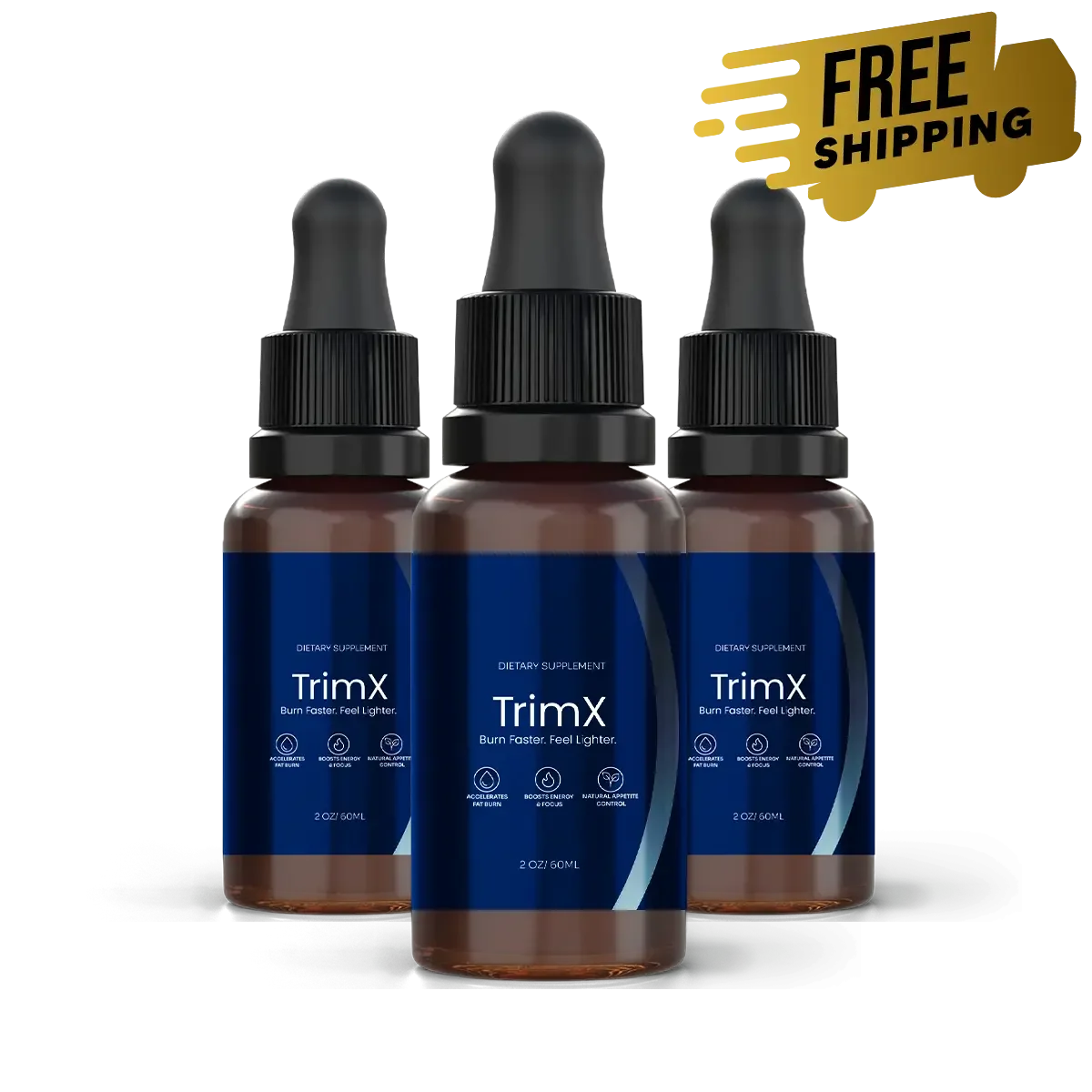
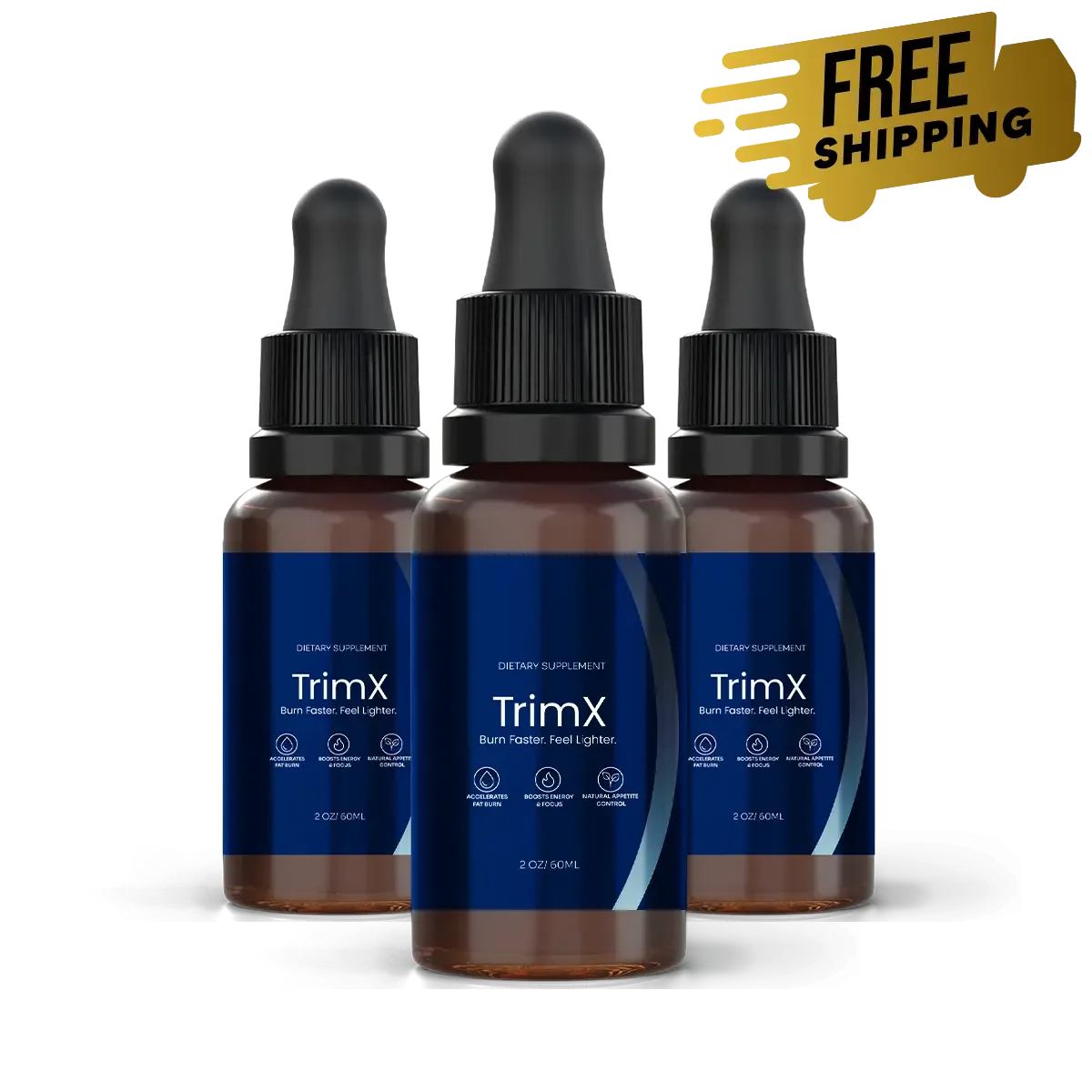
7. Consider Targeted Supplementation: While diet and lifestyle are foundational, specific supplements can provide targeted support. Probiotic supplements can introduce beneficial strains, and prebiotic supplements can feed existing good bacteria. Products like TrimX are designed to offer comprehensive support for gut health and metabolic balance, working synergistically with healthy habits.
Introducing TrimX: Your Partner in Gut Health and Weight Management
While a healthy diet and lifestyle are paramount, modern challenges sometimes require targeted support. TrimX is a meticulously formulated supplement designed to nurture your gut microbiome and optimize your body's natural fat-burning and metabolic processes. It's built on the understanding that a balanced gut is a cornerstone of sustainable weight loss.
TrimX combines clinically studied ingredients known for their synergistic effects on gut health, metabolism, and overall well-being. It aims to restore microbial balance, enhance nutrient absorption, and support healthy inflammatory responses, all of which are crucial for effective weight management.
Here are some of the key components and their roles:
Lactobacillus Gasseri
A specific probiotic strain gaining recognition for its potential role in reducing abdominal fat and overall body weight. It works by influencing fat metabolism and reducing fat absorption.
Bifidobacterium Breve
Another powerful probiotic that contributes to gut health by supporting the breakdown of complex carbohydrates and promoting a healthy gut barrier, which can help reduce inflammation linked to obesity.
Fructooligosaccharides (FOS)
A type of prebiotic fiber that acts as food for beneficial gut bacteria, particularly Bifidobacteria. FOS helps to promote the growth and activity of these good microbes, enhancing gut diversity and function.
Inulin (Prebiotic Fiber)
A soluble dietary fiber that serves as a powerful prebiotic, fostering the growth of beneficial gut bacteria. Inulin also helps promote satiety, regulate blood sugar levels, and improve digestive regularity.
Berberine
A natural compound known for its significant metabolic benefits, including improving insulin sensitivity, regulating blood sugar levels, and activating AMPK (an enzyme that plays a key role in energy metabolism and fat burning).
Ginger Root Extract
Known for its potent anti-inflammatory and digestive properties. Ginger supports a healthy gut environment, reduces digestive discomfort, and can also help boost metabolism and promote feelings of fullness.
By synergistically combining these ingredients, TrimX offers a comprehensive approach to tackling weight management from the inside out, by focusing on the often-overlooked foundation of gut health.

Unlock Your Weight Loss Potential with TrimX Today!
Don't let an imbalanced gut hold you back from achieving your weight loss goals. TrimX offers a natural, scientifically-backed approach to support your gut health and ignite your metabolism. Join thousands who have already experienced the difference.
- ✓ Supports a Healthy Gut Microbiome
- ✓ Boosts Metabolism and Fat Burning
- ✓ Helps Regulate Appetite and Cravings
- ✓ Enhances Energy Levels Naturally
- ✓ Made with 100% Natural, Clinically Studied Ingredients



Real Results from Real People
"I've struggled with my weight for years, and nothing seemed to work. Since starting TrimX, I feel lighter, my digestion is better, and I've actually started losing weight. It's like my body is finally working with me!"
"TrimX has been a game-changer for my energy levels and bloating. I used to feel sluggish and uncomfortable after meals, but now I feel great. The weight loss has been a welcome bonus!"
"I was skeptical at first, but after reading about gut health, I decided to try TrimX. My cravings have reduced, and I'm making healthier food choices without feeling deprived. I'm down 15 pounds in two months!"
Frequently Asked Questions
What exactly is the gut microbiome and why is it important for health?
+The gut microbiome refers to the trillions of microorganisms, including bacteria, viruses, fungi, and other microbes, that live in your digestive tract. These microbes play a crucial role in various bodily functions, including digestion, nutrient absorption, immune system regulation, and even mood. A diverse and balanced microbiome is essential for overall health, while an imbalance can contribute to numerous health issues.
How do gut bacteria specifically influence weight gain and loss?
+Gut bacteria influence weight through several mechanisms. They can affect how efficiently we extract calories from food, influence fat storage, modulate appetite-regulating hormones (like leptin and ghrelin), and impact insulin sensitivity. Certain bacterial strains are associated with leaner body types, while others can promote inflammation and increased fat accumulation, contributing to obesity.
Can I improve my gut health to aid in weight loss?
+Absolutely! Improving your gut health is a powerful strategy for supporting weight loss and overall metabolic health. This can be achieved through dietary changes, such as increasing fiber intake from fruits, vegetables, and whole grains, consuming fermented foods rich in probiotics, and limiting processed foods, sugar, and artificial sweeteners. Lifestyle factors like stress management and regular exercise also play a significant role.
What are the best foods for supporting a healthy gut microbiome?
+To foster a healthy gut microbiome, prioritize a diet rich in diverse plant-based foods. Excellent choices include high-fiber vegetables (broccoli, spinach, asparagus), fruits (berries, apples, bananas), legumes (lentils, beans), and whole grains (oats, quinoa). Fermented foods like yogurt, kefir, sauerkraut, kimchi, and kombucha are also beneficial as they introduce beneficial bacteria directly into your gut.
How does TrimX contribute to a healthy gut and weight management?
+TrimX is formulated with a blend of ingredients specifically chosen to support a balanced gut microbiome and optimize metabolic function. It contains targeted probiotic strains known for their roles in weight management, along with prebiotics that nourish these beneficial bacteria. By promoting a healthier gut environment, TrimX helps improve digestion, nutrient absorption, and metabolic processes that are crucial for sustainable weight loss and maintaining a healthy weight.
Is TrimX safe to use, and are there any side effects?
+TrimX is made with natural ingredients and is generally considered safe for most adults. It is manufactured in an FDA-registered, GMP-certified facility, ensuring high quality and purity. As with any supplement, some individuals may experience mild digestive adjustments initially. If you have any pre-existing medical conditions, are pregnant or nursing, or are taking medication, it is always recommended to consult your healthcare provider before starting any new supplement regimen.
Related Articles