Struggling with unexplained weight gain despite your best efforts?
If you've been diligently watching your diet and exercising, yet the numbers on the scale refuse to budge, your thyroid might be the hidden culprit. Millions of people worldwide grapple with thyroid dysfunction, often unaware of its profound impact on their metabolism and weight.
This article, reviewed by a Board-Certified Endocrinologist, delves into the intricate relationship between thyroid problems and weight gain, offering actionable strategies to regain control of your metabolic health and achieve sustainable weight management.

The Thyroid Gland: A Metabolic Master
The thyroid gland, a small, butterfly-shaped organ located at the base of your neck, plays an outsized role in your overall health. It's often referred to as the "master gland of metabolism" for good reason.
This crucial endocrine gland produces two primary hormones: thyroxine (T4) and triiodothyronine (T3). These hormones are transported throughout your body, influencing nearly every cell and organ. Their main function is to regulate your metabolic rate – the speed at which your body converts food into energy. From your heart rate and body temperature to digestion and brain function, thyroid hormones orchestrate a vast array of physiological processes. When your thyroid is functioning optimally, your body efficiently burns calories, maintains energy levels, and manages weight effectively. However, even a slight imbalance in thyroid hormone production can send your metabolism into a tailspin, leading to a cascade of health issues, with stubborn weight gain being one of the most common and frustrating symptoms.
💡 Key Takeaway
The thyroid gland is central to regulating metabolism. Imbalances in thyroid hormones (T3 and T4) can significantly disrupt the body's energy use, leading to widespread symptoms including weight gain.
Hypothyroidism: The Primary Culprit for Weight Gain
Among the various thyroid dysfunctions, hypothyroidism is by far the most common cause of thyroid-related weight gain. This condition occurs when the thyroid gland doesn't produce enough thyroid hormones.
When thyroid hormone levels are low, your body's metabolic processes slow down significantly. This means you burn fewer calories at rest (your basal metabolic rate, or BMR, decreases), leading to an accumulation of excess weight. Even a modest reduction in thyroid function can result in noticeable weight gain that is resistant to traditional diet and exercise efforts. The weight gain associated with hypothyroidism is often characterized by a combination of increased fat storage and fluid retention. Patients frequently report feeling sluggish, experiencing chronic fatigue, and having difficulty concentrating, all of which can further hinder their ability to engage in physical activity and maintain a healthy lifestyle. This vicious cycle makes hypothyroidism weight loss a significant challenge for many individuals. Understanding this fundamental link is the first step toward effective management.
Beyond Hypothyroidism: Other Thyroid Conditions and Weight
While hypothyroidism is the most common cause of thyroid-related weight gain, it's important to recognize that other thyroid conditions can also indirectly impact weight or present unique challenges.
Hyperthyroidism, the opposite of hypothyroidism, occurs when the thyroid produces too much hormone. While typically associated with weight loss due to an overactive metabolism, some individuals might experience an initial increase in appetite that could lead to weight gain if calorie intake exceeds the heightened metabolic burn. More commonly, however, hyperthyroidism leads to unintended weight loss and muscle wasting. Another condition, Hashimoto's Thyroiditis, is an autoimmune disease where the immune system attacks the thyroid gland. It is the most common cause of hypothyroidism in developed countries. As the thyroid is gradually destroyed, it leads to insufficient hormone production and, consequently, weight gain. In the early stages, Hashimoto's can sometimes cause transient hyperthyroidism before settling into a hypothyroid state. Managing Hashimoto's involves addressing the underlying autoimmune response in addition to hormone replacement therapy, which can be complex when aiming for stable weight management. Even subclinical hypothyroidism, where thyroid hormone levels are borderline low but not yet overtly hypothyroid, can contribute to unexplained weight gain and fatigue, making early detection crucial.

Why Thyroid Dysfunction Leads to Weight Gain: The Mechanisms
The link between thyroid problems and weight gain isn't just about a "slow metabolism." It involves several interconnected physiological mechanisms that make shedding pounds particularly difficult.
Reduced Basal Metabolic Rate (BMR)
Thyroid hormones directly regulate your BMR, which is the number of calories your body burns at rest to maintain vital functions. When thyroid hormone levels are low, your BMR drops significantly. This means your body simply burns fewer calories throughout the day, making it easier to store excess energy as fat, even if your dietary intake remains the same.
Fluid Retention and Swelling
Hypothyroidism often leads to increased fluid retention, which can contribute to a puffy appearance and noticeable weight on the scale. This isn't just water weight in the conventional sense; it's often due to the accumulation of hyaluronic acid and other molecules in the extracellular space, which attract water. This can manifest as swelling in the face, hands, and feet, making individuals feel heavier and more bloated.
Fatigue and Decreased Activity
Profound fatigue is a hallmark symptom of hypothyroidism. Low energy levels make it challenging to engage in regular physical activity, further reducing calorie expenditure. This cycle of fatigue leading to inactivity, which in turn exacerbates weight gain, creates a significant barrier to maintaining a healthy weight. Many find themselves too exhausted for even light exercise.
Altered Appetite and Cravings
While not universally experienced, some individuals with hypothyroidism report changes in appetite, including increased cravings for comfort foods high in carbohydrates. This could be a compensatory mechanism for low energy or a direct impact on hunger-regulating hormones. Combined with a slower metabolism, these dietary shifts can quickly lead to additional weight gain.
Impact on Fat Metabolism
Thyroid hormones play a critical role in the breakdown of fats (lipolysis) and the synthesis of cholesterol. When these hormones are deficient, fat metabolism becomes less efficient. This can lead to higher levels of LDL ("bad") cholesterol and triglycerides, further contributing to fat accumulation and potentially increasing the risk of cardiovascular issues alongside weight gain.
Diagnosing Thyroid Problems: The Importance of Testing
Accurate diagnosis is the cornerstone of managing thyroid-related weight gain. Given the often subtle and non-specific nature of thyroid symptoms, many cases go undiagnosed or are misattributed to other issues.
If you suspect a thyroid problem, consulting your doctor for comprehensive testing is essential. The primary diagnostic tool is a blood test to measure Thyroid-Stimulating Hormone (TSH) levels. TSH is produced by the pituitary gland and signals the thyroid to produce more hormones. High TSH levels usually indicate an underactive thyroid (hypothyroidism), as the pituitary is working harder to stimulate a sluggish gland. Conversely, low TSH levels can suggest an overactive thyroid (hyperthyroidism). Beyond TSH, your doctor may also test for Free T4 (FT4) and Free T3 (FT3), which are the active, unbound forms of thyroid hormones available to your body's cells. These provide a more complete picture of thyroid function. Additionally, tests for thyroid antibodies (such as anti-TPO and anti-Tg antibodies) can help diagnose autoimmune thyroid conditions like Hashimoto's or Graves' disease. It's important to advocate for a full thyroid panel, not just TSH, especially if symptoms persist despite "normal" TSH results. Early and accurate diagnosis allows for timely intervention, which can significantly improve outcomes for both thyroid health and weight management. For more information on how to identify if a supplement is right for you, you might want to read our article on Does TrimX Work?
Conventional Treatment Approaches for Thyroid Dysfunction
Once diagnosed, conventional medical treatment for hypothyroidism typically involves hormone replacement therapy.
The most common medication prescribed is levothyroxine, a synthetic form of T4. This medication effectively replaces the hormones your thyroid isn't producing, helping to restore metabolic function and alleviate symptoms. Dosage is carefully titrated by your doctor based on TSH levels and clinical symptoms, often requiring regular blood tests to ensure optimal levels. While levothyroxine is highly effective in managing thyroid hormone levels, it doesn't always immediately resolve weight issues. Many patients find that even with stable thyroid hormone levels, hypothyroidism weight loss can still be a struggle. This is because weight gain is a complex issue, and while thyroid hormones are crucial, lifestyle factors, inflammation, and other metabolic imbalances also play a significant role. It's vital to maintain consistent medication adherence and regular follow-ups with your endocrinologist to ensure the treatment plan is effective and adjusted as needed. For some individuals, a combination of T4 and T3 hormone replacement might be considered if T4-only therapy doesn't fully alleviate symptoms, though this is less common.
💡 Key Takeaway
Hypothyroidism is mainly treated with synthetic T4 (levothyroxine), which normalizes thyroid hormone levels. However, weight loss can still be challenging, requiring a holistic approach beyond medication alone.
Holistic Strategies for Thyroid-Related Weight Management
While conventional medicine addresses the hormone deficiency, a holistic approach is often necessary to truly overcome thyroid-related weight gain and optimize overall metabolic health.
This comprehensive strategy integrates various aspects of lifestyle, nutrition, and targeted support to create an environment where your body can thrive and shed excess weight more effectively. It recognizes that the body is an interconnected system, and addressing one area, like thyroid hormones, often requires supporting other systems simultaneously. Successfully navigating thyroid weight gain requires patience, consistency, and a willingness to explore multiple avenues for improvement. Here’s a breakdown of key holistic strategies to consider:
Integrative Approaches to Support Your Thyroid and Metabolism
Beyond medication, several lifestyle and nutritional adjustments can significantly impact thyroid function and help reverse thyroid-related weight gain.
Optimize Diet for Thyroid Health
Focus on a nutrient-dense, anti-inflammatory diet. Emphasize whole, unprocessed foods, lean proteins, healthy fats (like omega-3s), and plenty of fruits and vegetables. Limit processed foods, refined sugars, and excessive gluten, which can exacerbate inflammation and impact gut health, a key factor in thyroid function. Ensure adequate intake of iodine, selenium, and zinc, crucial minerals for thyroid hormone production and conversion.
Integrate Regular, Moderate Exercise
Physical activity is vital for boosting metabolism, improving energy levels, and supporting weight loss. Opt for a combination of cardiovascular exercise (like brisk walking, swimming, or cycling) and strength training. Avoid over-exercising, which can stress the body and potentially worsen thyroid function. Consistency is key, even if starting with short, gentle workouts.
Prioritize Stress Reduction
Chronic stress can negatively impact thyroid function by increasing cortisol levels, which can interfere with thyroid hormone production and conversion. Incorporate stress-reducing practices into your daily routine, such as meditation, yoga, deep breathing exercises, spending time in nature, or engaging in hobbies you enjoy. Managing stress is a powerful tool for overall metabolic health.
Ensure Adequate Sleep
Quality sleep is crucial for hormone regulation, including thyroid hormones and those that control appetite (ghrelin and leptin). Aim for 7-9 hours of uninterrupted sleep per night. Poor sleep can disrupt metabolism, increase cravings, and make weight loss more difficult. Establish a consistent sleep schedule and create a relaxing bedtime routine to improve sleep quality.
Consider Targeted Nutritional Support
Even with a healthy diet, some individuals may benefit from specific supplements to support thyroid function and metabolism. Ingredients like iodine, selenium, zinc, L-tyrosine, and adaptogens such as ashwagandha can play a crucial role in promoting healthy hormone balance and boosting energy. Always consult with a healthcare professional before starting any new supplement regimen.
Key Ingredients for Thyroid and Metabolic Support
Ashwagandha
Role: An adaptogenic herb that helps the body manage stress and can positively impact thyroid function by reducing cortisol levels. It may support the conversion of T4 to the more active T3 hormone.
Selenium
Role: An essential trace mineral vital for thyroid hormone synthesis and metabolism. It acts as a powerful antioxidant within the thyroid gland, protecting it from oxidative damage and supporting the conversion of T4 to T3.
Iodine
Role: A fundamental building block of thyroid hormones T4 and T3. Adequate iodine intake is critical for healthy thyroid function, though excessive amounts can be detrimental for some individuals, especially those with autoimmune thyroid conditions.
L-Tyrosine
Role: An amino acid that serves as a precursor for the synthesis of thyroid hormones, as well as neurotransmitters like dopamine and norepinephrine. It supports overall thyroid function and may help improve mood and focus.
Zinc
Role: Crucial for the synthesis of TSH (Thyroid-Stimulating Hormone) and the conversion of T4 into the active T3. Zinc deficiency can impair thyroid function and contribute to a slower metabolism, making it harder to manage weight.
Schisandra Chinensis
Role: Another adaptogenic berry known for its ability to enhance physical performance, reduce fatigue, and support liver function. A healthy liver is essential for detoxification and the conversion of T4 to T3.
Guggul
Role: Derived from the sap of the Commiphora mukul tree, guggul has been traditionally used in Ayurvedic medicine to support thyroid function and fat metabolism. It may help stimulate the thyroid and enhance the body's ability to burn fat.
Manganese & Molybdenum
Role: These trace minerals are cofactors for various enzymes involved in metabolism and antioxidant defense. Manganese supports thyroid hormone synthesis, while Molybdenum aids in detoxification pathways, both indirectly supporting overall metabolic health.
Introducing TrimX: Natural Support for Thyroid and Metabolism
For those seeking comprehensive natural support to complement their holistic weight management journey, a carefully formulated supplement like TrimX can be a valuable addition.
TrimX is designed with a blend of scientifically-backed ingredients, including many of those mentioned above, specifically chosen to support healthy thyroid function, boost a sluggish metabolism, and promote effective fat burning. It aims to address some of the underlying metabolic imbalances that contribute to thyroid weight gain, even when hormone levels are managed. By providing targeted nutrients, TrimX works to optimize the body's natural processes, helping to increase energy levels, reduce fatigue, and enhance the body's ability to convert food into energy more efficiently. This can be particularly beneficial for individuals who feel their metabolism is still slow despite medication or lifestyle changes. When combined with a healthy diet and regular exercise, TrimX can help you break through plateaus and achieve your weight management goals. For a deeper dive into how specific ingredients work, consider reading our Guarana Weight Loss Supplement Review, as some of its principles align with TrimX's approach.
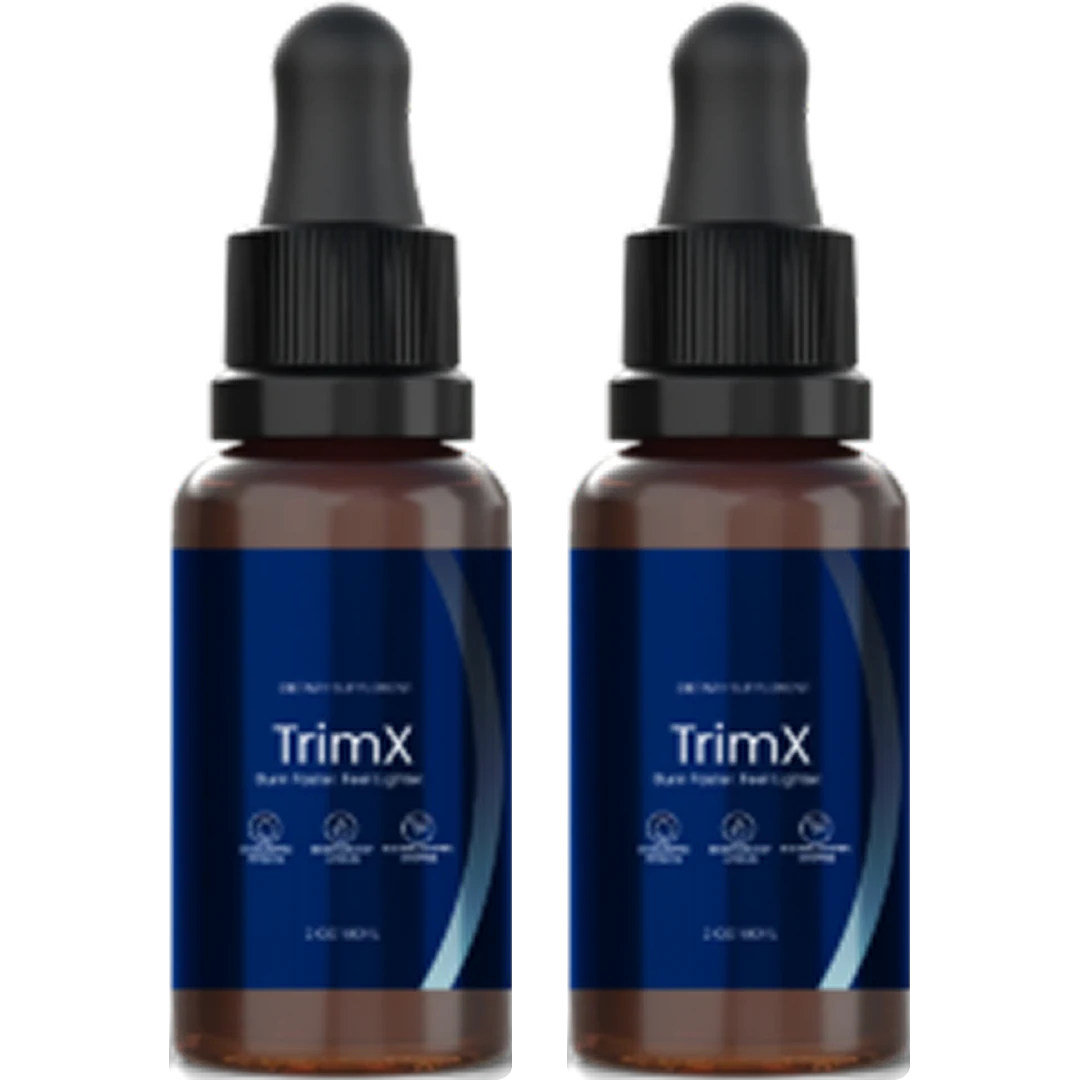
Reclaim Your Metabolism & Energy with TrimX
TrimX is a powerful, all-natural dietary supplement meticulously formulated to support healthy thyroid function, boost metabolism, and promote sustainable weight management. Our unique blend of research-backed ingredients works synergistically to help you overcome the challenges of thyroid-related weight gain.
- Supports healthy thyroid hormone production
- Boosts metabolic rate and fat burning
- Enhances energy levels and reduces fatigue
- Aids in healthy weight management
- Made with 100% natural, scientifically-backed ingredients




Real Stories, Real Results with TrimX
"I was so frustrated with my weight, even with diet and exercise. TrimX has made a noticeable difference in my energy and the scale is finally moving! I feel more like myself again."
"After years of struggling with a slow metabolism due to my thyroid, TrimX helped me feel more energetic and kickstart my weight loss journey. It's been a game-changer for my overall well-being."
"TrimX is the only supplement that truly helped me address my thyroid-related weight issues. I feel lighter, more focused, and finally in control of my body and energy levels. Highly recommend!"
The Path Forward: Taking Control of Your Thyroid Health and Weight
Understanding the profound connection between thyroid problems and weight gain is the first critical step toward reclaiming your health. It's not about willpower; it's about addressing a fundamental metabolic imbalance.
Living with unexplained weight gain, fatigue, and other symptoms of thyroid dysfunction can be incredibly disheartening. However, with the right approach—combining medical treatment, informed lifestyle choices, and targeted nutritional support—you can significantly improve your thyroid health and achieve sustainable weight management. Remember, consistency is key, and patience is a virtue when it comes to metabolic changes. Don't be afraid to advocate for yourself with your healthcare provider to ensure you receive a comprehensive diagnosis and treatment plan. Integrating holistic strategies, from diet and exercise to stress reduction and quality sleep, creates a powerful foundation for success. For women specifically, understanding the unique challenges and solutions for fat burning is crucial, which you can explore in our comprehensive guide: Top 5 Fat Burners for Women in 2026. By taking proactive steps and considering all available avenues, you can empower yourself to overcome the challenges of thyroid-related weight gain and step into a healthier, more energetic future.
Frequently Asked Questions
How does thyroid function affect weight?
+The thyroid gland produces hormones (T3 and T4) that regulate your metabolism, controlling how your body uses energy. When thyroid function is low (hypothyroidism), your metabolism slows down, leading to fewer calories burned, increased fat storage, and often, weight gain.
Can I lose weight if I have hypothyroidism?
+Yes, it is possible to lose weight with hypothyroidism, but it often requires a comprehensive approach. This includes proper medical treatment for your thyroid condition, dietary adjustments, regular exercise, stress management, and sometimes targeted nutritional support like TrimX to optimize metabolic function.
What lifestyle changes can help with thyroid-related weight gain?
+Key lifestyle changes include adopting a balanced diet rich in whole foods, lean proteins, and healthy fats while reducing processed foods. Regular moderate exercise, prioritizing 7-9 hours of quality sleep, and implementing stress-reduction techniques are also crucial for supporting thyroid health and metabolism.
Is TrimX safe for people with thyroid conditions?
+TrimX is formulated with natural ingredients known for their metabolic and thyroid-supportive properties. While it is generally well-tolerated, it is always recommended to consult with your doctor or a board-certified endocrinologist, especially if you have a pre-existing thyroid condition or are taking prescription medications, to ensure it's appropriate for your individual health needs.
How long does it take to see results with TrimX for weight management?
+Individual results can vary based on factors like metabolism, diet, exercise, and the severity of thyroid imbalance. Many users report feeling increased energy and improved well-being within a few weeks, with noticeable weight management benefits typically observed over 2-3 months of consistent use alongside a healthy lifestyle.
Where can I buy TrimX and what is the guarantee?
+TrimX is exclusively available through its official website to ensure authenticity and the best price. Every purchase is backed by a 60-day 100% money-back guarantee, allowing you to try TrimX risk-free. If you're not satisfied with the results, you can return it for a full refund.
Related Articles