Are you experiencing unexplained weight gain during menopause?
The menopausal transition is a significant life stage for women, marked by profound hormonal changes that can impact nearly every system in the body. Among the most common and often frustrating symptoms is weight gain, particularly around the abdomen. Many women find themselves struggling to maintain their pre-menopausal weight, even when their diet and exercise habits haven't drastically changed.
This article delves into the intricate relationship between menopause, hormones, and fat storage, explaining why your body seems to be recalibrating its metabolic set point. We'll explore the science behind these changes and offer practical, evidence-based strategies to help you navigate this transition with greater control over your health and weight.

The Menopausal Transition: More Than Just Hot Flashes
Menopause, defined as 12 consecutive months without a menstrual period, typically occurs around age 51. However, the transitional period leading up to it, known as perimenopause, can begin much earlier, often in a woman's 40s. This phase is characterized by fluctuating hormone levels, primarily estrogen and progesterone, which can trigger a cascade of symptoms beyond the well-known hot flashes and night sweats.
While these classic symptoms are widely recognized, the impact of hormonal shifts on a woman's metabolism and body composition often goes underestimated. Many women report a noticeable increase in body fat, particularly around the abdomen, and a stubborn resistance to weight loss efforts. Understanding the underlying hormonal mechanisms is the first step toward effectively managing these changes.
The Hormonal Orchestra: Estrogen's Leading Role in Fat Storage
The primary driver of menopausal weight gain is the decline in estrogen. While other hormones play supporting roles, estrogen's broad influence on metabolism and fat distribution makes its decrease particularly impactful.
Historically, estrogen helps dictate where fat is stored in the body. Before menopause, higher estrogen levels tend to promote fat storage in the hips, thighs, and buttocks (a "gynoid" fat pattern). As estrogen levels drop during perimenopause and menopause, there's a significant shift towards an "android" or **abdominal fat distribution**. This means more fat accumulates around the organs in the belly (visceral fat), which is metabolically more active and linked to greater health risks than subcutaneous fat (fat under the skin).
Beyond fat distribution, estrogen also influences:
- Metabolic Rate: Estrogen has a subtle but definite role in regulating basal metabolic rate (BMR). Lower estrogen can contribute to a slight slowdown in metabolism, meaning you burn fewer calories at rest.
- Insulin Sensitivity: Estrogen helps maintain insulin sensitivity. As estrogen declines, insulin resistance can increase, making it harder for cells to absorb glucose from the blood. This leads to higher insulin levels, which signal the body to store more fat, especially around the midsection.
- Leptin and Ghrelin: These are hormones that regulate appetite and satiety. Estrogen can influence their balance, and changes during menopause might contribute to increased hunger and reduced feelings of fullness.
💡 Key Takeaway
The primary reason for menopausal weight gain and altered fat storage is the significant decline in estrogen, which shifts fat accumulation to the abdomen and can negatively impact metabolic rate and insulin sensitivity.
Beyond Estrogen: Other Hormones at Play
While estrogen takes center stage, other hormones also undergo changes during menopause, creating a complex interplay that affects weight management.
- Progesterone: This hormone also declines significantly during menopause. While its direct link to fat storage is less clear than estrogen's, progesterone plays a role in fluid balance and mood, and its fluctuations can indirectly impact lifestyle choices that affect weight.
- Testosterone: While often associated with men, women also produce testosterone. Levels tend to peak in a woman's 20s and gradually decline with age. Lower testosterone can contribute to a reduction in muscle mass, which further slows metabolism. Maintaining muscle mass is crucial for keeping your metabolic engine running efficiently.
- Thyroid Hormones: The thyroid gland regulates metabolism. While not directly linked to menopause, thyroid dysfunction (hypothyroidism) becomes more common with age and can mimic menopausal symptoms, including fatigue and weight gain. It's important to rule out thyroid issues if you're experiencing significant weight changes.
- Cortisol (Stress Hormone): Chronic stress, often exacerbated by menopausal symptoms like sleep disturbances, leads to elevated cortisol levels. High cortisol promotes visceral fat storage and can increase appetite, particularly for sugary, high-fat foods. Managing stress is therefore a crucial component of weight management during menopause.
- Insulin: As mentioned, reduced estrogen can lead to increased insulin resistance. When cells don't respond well to insulin, the pancreas produces more, leading to chronically high insulin levels. This promotes fat storage and makes it harder for the body to burn existing fat.
The intricate dance of these hormones means that simply "eating less and moving more" might not be as effective as it once was. A more nuanced approach, addressing the hormonal context, is often necessary.
Lifestyle Factors That Magnify Menopausal Weight Gain
While hormones are central, lifestyle factors often compound the challenge of weight management during menopause. Recognizing and addressing these can significantly impact your success.
Decreased Physical Activity
As women age, many naturally become less active due to joint pain, fatigue, or simply changing priorities. Reduced physical activity leads to fewer calories burned and a loss of muscle mass, both of which contribute to a slower metabolism and increased fat accumulation.
Dietary Habits
Often, dietary habits that worked in younger years may no longer be effective. Consuming excessive processed foods, refined sugars, and unhealthy fats can exacerbate insulin resistance and inflammation, making weight loss more difficult. Portion sizes and calorie density become even more critical.
Sleep Disturbances
Hot flashes, night sweats, and anxiety can severely disrupt sleep during menopause. Poor sleep affects hormones like ghrelin (increases hunger) and leptin (decreases satiety), leading to increased appetite and cravings for high-calorie foods. It also elevates cortisol, promoting belly fat storage.
Increased Stress Levels
The menopausal transition itself can be stressful, combined with other life stressors like caring for aging parents or career pressures. Chronic stress keeps cortisol levels high, which directly promotes fat storage, particularly in the abdominal area, and can lead to emotional eating.
Strategies for Managing Menopausal Weight Gain
While the hormonal shifts are inevitable, menopausal weight gain is not. By adopting a holistic approach that addresses both hormonal changes and lifestyle factors, women can effectively manage their weight and improve overall health during this phase.
- Prioritize Protein and Fiber: Focus on a diet rich in lean proteins (chicken, fish, legumes) and fiber (fruits, vegetables, whole grains). Protein helps preserve muscle mass and increases satiety, while fiber promotes digestive health and helps regulate blood sugar. This combination can significantly reduce cravings and overeating.
- Embrace Strength Training: Cardiovascular exercise is important, but strength training becomes paramount during menopause. Building and maintaining muscle mass is key to counteracting the age-related decline in metabolism and improving body composition. Aim for at least 2-3 sessions per week.
- Manage Stress Effectively: Incorporate stress-reduction techniques into your daily routine. This could include yoga, meditation, deep breathing exercises, spending time in nature, or engaging in hobbies you enjoy. Lowering cortisol levels is crucial for reducing abdominal fat.
- Optimize Sleep: Create a consistent sleep schedule, make your bedroom dark and cool, and avoid screens before bed. Addressing sleep disturbances can significantly improve hormonal balance, appetite regulation, and energy levels for exercise.
- Stay Hydrated: Drinking plenty of water supports metabolism, helps with satiety, and is essential for overall bodily functions.
- Consider Targeted Nutritional Support: While diet and exercise are foundational, some women find that specific nutrients or supplements can offer additional support for metabolic health, fat burning, and energy levels during menopause. For instance, ingredients like cayenne pepper are known for their thermogenic properties, which can aid in boosting metabolism. You can learn more about its benefits in our article on Cayenne Pepper for Fat Burning.

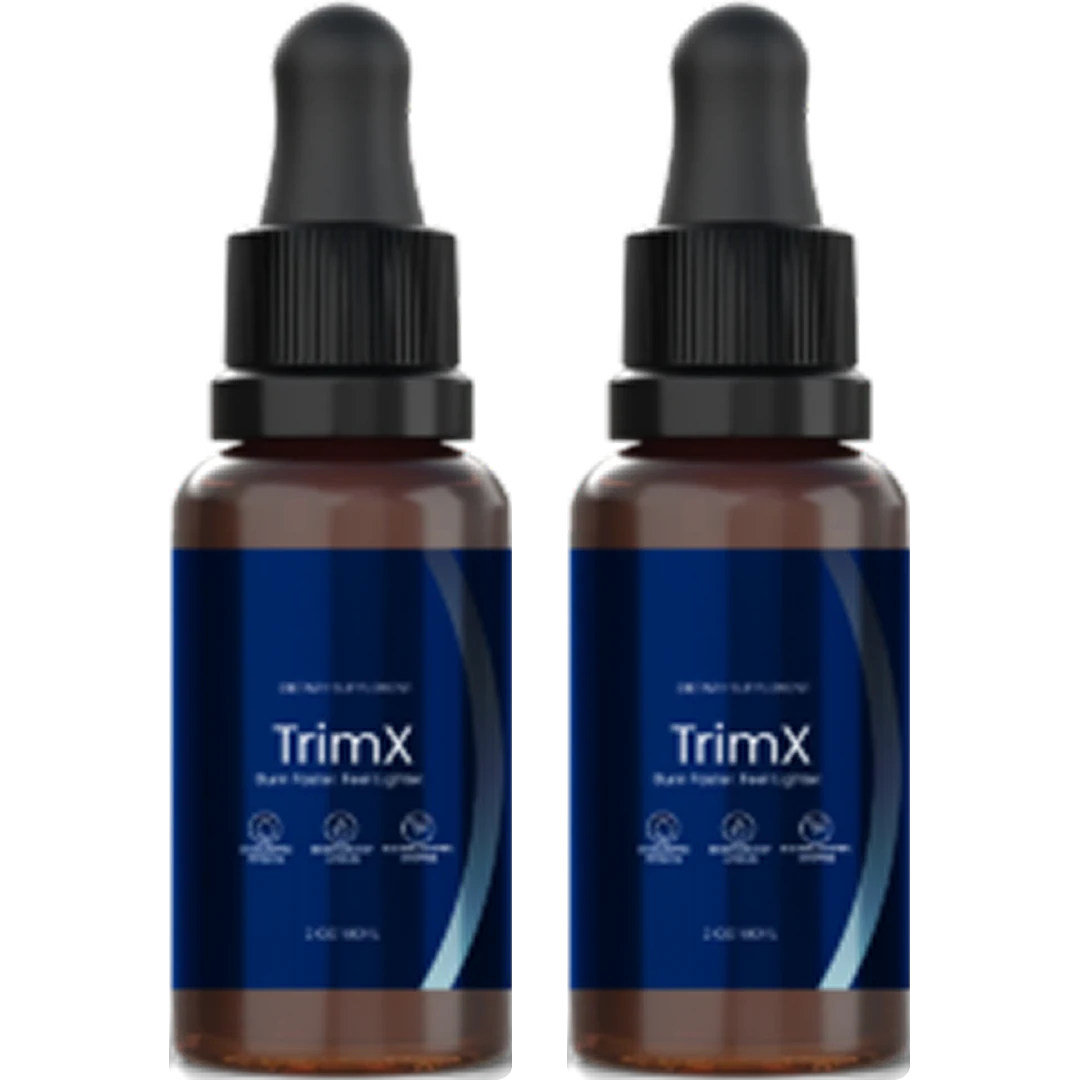
Introducing TrimX: A Potential Partner in Your Menopausal Journey
For women navigating the complexities of menopausal weight gain, finding effective support can be challenging. While lifestyle adjustments are fundamental, some may benefit from a supplement designed to support metabolic function and fat burning. TrimX is formulated with a blend of natural ingredients carefully selected for their potential role in weight management and energy support.
Supports Metabolic Rate
TrimX includes ingredients known to help gently boost your body's natural metabolic processes, which can slow down during menopause. This can contribute to more efficient calorie burning throughout the day.
Enhances Fat Burning
Specific components in TrimX are chosen for their thermogenic properties, which can help your body utilize stored fat for energy, supporting your weight management goals.
Boosts Energy Levels
Combat the fatigue often associated with hormonal shifts. TrimX's formula aims to provide a natural energy lift, helping you stay active and motivated for your workouts and daily routines.
Aids Appetite Control
Managing cravings and appetite is crucial for weight loss. Some ingredients in TrimX may contribute to a feeling of fullness and help reduce the desire for unhealthy snacks, making dietary adherence easier.
It's important to remember that TrimX is designed to complement a healthy diet and regular exercise, not replace them. For a deeper understanding of how TrimX compares to other options, you might find our article TrimX vs. Other Fat Burners insightful.
Key Ingredients in TrimX for Metabolic Support
TrimX's formula is built on a foundation of natural ingredients, each selected for its scientifically recognized potential to support various aspects of metabolism and weight management. Here are some of the core components:
Cayenne Pepper Extract
Role: Known for its active compound capsaicin, cayenne pepper is a natural thermogenic. It can help increase body temperature and boost metabolism, leading to greater calorie expenditure and fat oxidation.
Green Tea Extract (EGCG)
Role: Rich in antioxidants and catechins, particularly epigallocatechin gallate (EGCG), green tea extract supports fat oxidation and enhances metabolic rate. It can also provide a gentle energy boost without jitters.
Garcinia Cambogia
Role: Contains Hydroxycitric Acid (HCA), which is believed to help inhibit a fat-producing enzyme and may assist in appetite suppression, contributing to reduced calorie intake.
Chromium Picolinate
Role: An essential trace mineral that plays a vital role in carbohydrate and lipid metabolism. Chromium helps enhance the action of insulin, which can improve blood sugar control and reduce cravings for refined carbohydrates.
L-Carnitine
Role: An amino acid derivative that is crucial for the transport of fatty acids into the mitochondria, where they are burned for energy. Supplementing with L-Carnitine can support the body's ability to utilize fat stores.
B Vitamins (B6, B12)
Role: Essential cofactors in numerous metabolic processes, including energy production and the metabolism of fats, carbohydrates, and proteins. They are vital for maintaining overall cellular energy and nerve function.
Alpha-Lipoic Acid (ALA)
Role: A powerful antioxidant that can improve insulin sensitivity and glucose uptake by cells. This helps to regulate blood sugar levels and can prevent excess glucose from being stored as fat.
Zinc
Role: An essential mineral involved in over 300 enzymatic reactions in the body, including those related to metabolism, immune function, and thyroid hormone production. Adequate zinc levels support overall metabolic health.
Take Charge of Your Metabolic Health with TrimX
Don't let menopausal weight gain dictate your health and confidence. TrimX offers a scientifically-backed approach to support your metabolism, enhance fat burning, and boost your energy levels naturally. It's time to feel like yourself again.
- ✓ Supports healthy metabolism
- ✓ Promotes natural fat burning
- ✓ Boosts energy and vitality
- ✓ Made with 100% natural ingredients
- ✓ Manufactured in a GMP-certified facility




Real Women, Real Results
"I was so frustrated with the stubborn belly fat after menopause. TrimX, combined with my diet changes, has made a noticeable difference. I feel more energetic and my clothes fit better!"
"TrimX helped me finally break through my weight plateau. The energy boost is fantastic, and I've seen a real improvement in my overall metabolic health. Highly recommend for menopausal women!"
"I was skeptical, but TrimX genuinely surprised me. My digestion feels better, and I've shed some of that uncomfortable hormonal weight. It's a great addition to my wellness routine."
Want to read more success stories? Visit our dedicated page for TrimX Reviews: Real Results.
Frequently Asked Questions
Why do women gain weight during menopause?
+Menopausal weight gain is primarily due to declining estrogen levels, which shift fat storage from hips/thighs to the abdomen. This is compounded by age-related metabolic slowdown, loss of muscle mass, and lifestyle changes.
What role does estrogen play in fat storage?
+Estrogen influences fat distribution, metabolism, and insulin sensitivity. Lower estrogen levels during menopause can lead to increased visceral fat (belly fat) and reduced energy expenditure, making weight management more challenging.
Can lifestyle changes effectively manage menopausal weight gain?
+Absolutely. A balanced diet focused on whole foods, regular strength training and cardiovascular exercise, adequate sleep, and stress management are crucial for mitigating menopausal weight gain and improving overall metabolic health.
Are there specific foods to avoid or embrace during menopause for weight management?
+Focus on nutrient-dense foods: lean proteins, fiber-rich fruits and vegetables, and healthy fats. Limit processed foods, refined sugars, and excessive alcohol, which can exacerbate weight gain and hormonal imbalances.
Is it harder to lose weight after menopause?
+While it can be more challenging due to hormonal shifts and a slower metabolism, it is certainly not impossible. With targeted strategies focusing on diet, exercise, and sometimes supplemental support, women can achieve healthy weight loss post-menopause.
How can TrimX help with menopausal weight management?
+TrimX is formulated with ingredients designed to support metabolism, energy levels, and fat burning, which can be beneficial in counteracting the metabolic slowdown associated with menopause. It's designed to complement a healthy lifestyle.
Related Articles