Struggling with weight loss despite diet and exercise?
For many, the battle against stubborn fat feels like an uphill climb, even when diligently following conventional advice. You might cut calories, hit the gym regularly, and still see the scale barely budge, or worse, creep upwards. This frustrating experience is often rooted in a deeper metabolic issue that goes beyond simple calorie counting: insulin resistance.
Insulin resistance is a widespread condition affecting millions globally, and it's increasingly recognized as a primary, often overlooked, metabolic root of weight gain and obesity. It disrupts your body's ability to process sugar and store fat efficiently, turning your system into a fat-storage machine rather than a fat-burning one. Understanding this crucial link is the first step toward reclaiming your metabolic health and achieving sustainable weight management.

The Role of Insulin: More Than Just Blood Sugar Control
Before we delve into insulin resistance, it's essential to understand the fundamental role of insulin in your body. Insulin is a powerful hormone produced by the pancreas, often referred to as the body's "master storage hormone."
When you eat, especially carbohydrates, your body breaks them down into glucose (sugar), which enters your bloodstream. This rise in blood glucose signals the pancreas to release insulin. Insulin's primary job is to act like a key, unlocking your cells (muscle, fat, and liver cells) to allow glucose to enter and be used for energy. Without insulin, glucose would remain trapped in your bloodstream, leading to dangerously high blood sugar levels.
Beyond energy regulation, insulin also plays a critical role in fat metabolism. When energy needs are met, insulin signals the body to store excess glucose, first as glycogen in the liver and muscles, and then, crucially, as fat in adipose tissue. It also inhibits the breakdown of stored fat, meaning that when insulin levels are high, your body is in a fat-storage mode and not a fat-burning mode. This dual role—managing blood sugar and controlling fat storage—is central to understanding its impact on weight.
What is Insulin Resistance? The Root of the Problem
Insulin resistance occurs when your body's cells stop responding effectively to the insulin produced by your pancreas. It's like having a key that no longer fits the lock perfectly.
Imagine your cells are doors, and insulin is the key. In a healthy state, insulin easily opens these doors, allowing glucose to enter and fuel the cells. With insulin resistance, these doors become "sticky" or "resistant." Insulin tries to open them, but the cells don't respond as readily. As a result, glucose struggles to get into the cells, leading to two major problems:
- Elevated Blood Glucose: Sugar remains in your bloodstream, causing blood sugar levels to rise, which can lead to prediabetes and eventually Type 2 Diabetes.
- Increased Insulin Production: Your pancreas works overtime, producing more and more insulin to try and force the glucose into the resistant cells. This leads to chronically high levels of insulin in your blood, a condition known as hyperinsulinemia.
This state of chronic hyperinsulinemia is where the direct link to weight gain and obesity becomes clear. It's not just about blood sugar; it's about the hormonal signals driving fat storage.
💡 Key Takeaway
Insulin resistance occurs when cells ignore insulin's signal, forcing the pancreas to produce more. This leads to high blood sugar and, critically, chronically elevated insulin levels (hyperinsulinemia), which directly signals the body to store fat and makes burning existing fat incredibly difficult.
The Vicious Cycle: How High Insulin Leads to Weight Gain and Obesity
Once insulin resistance sets in, a detrimental cycle begins that actively promotes weight gain and makes weight loss incredibly challenging. This cycle is a primary driver of the obesity epidemic.
Here's how insulin resistance directly causes weight gain and contributes to obesity:
- Increased Fat Storage: As mentioned, insulin is a fat-storage hormone. When insulin levels are consistently high due to resistance, your body is constantly receiving the signal to store fat, especially in the abdominal area (visceral fat). This visceral fat is particularly dangerous, as it's metabolically active and can further worsen insulin resistance.
- Inhibited Fat Burning: High insulin levels also block the release of fat from fat cells for energy. Your body prefers to use glucose for fuel, but if glucose can't efficiently enter cells, and fat burning is blocked, your body struggles to access its energy reserves. This means even if you're trying to reduce calorie intake, your body is reluctant to tap into stored fat.
- Increased Hunger and Cravings: When glucose can't enter cells effectively, your cells are "starving" for energy, even if your blood is full of sugar. This sends signals to your brain that you need more food, leading to increased hunger, particularly for quick energy sources like carbohydrates and sugars. This creates a powerful drive to eat more, perpetuating the cycle.
- Reduced Energy Levels: Because glucose isn't efficiently getting into your cells to be converted into energy, you might experience fatigue, sluggishness, and a general lack of energy. This can reduce your motivation for physical activity, further contributing to weight gain.
- Inflammation: Insulin resistance and the associated excess fat, particularly visceral fat, contribute to chronic low-grade inflammation throughout the body. Inflammation itself can worsen insulin resistance, creating another feedback loop that hinders weight loss efforts.
This combination of increased fat storage, reduced fat burning, heightened hunger, and low energy makes it incredibly difficult to lose weight through traditional calorie restriction alone. It's not a lack of willpower; it's a fundamental metabolic imbalance. Understanding this is crucial for effective weight management strategies.
For those looking for natural ways to support metabolism and combat this cycle, exploring options that enhance insulin sensitivity and promote fat burning can be beneficial. You might find more information on this topic in articles like How to Speed Up Metabolism Naturally for Weight Loss.
Common Causes and Risk Factors for Insulin Resistance
Insulin resistance doesn't develop overnight; it's typically the result of a combination of lifestyle, environmental, and genetic factors over time.
While genetics can play a role, lifestyle choices are often the most significant contributors. Here are the primary culprits:
- Diet High in Refined Carbohydrates and Sugars: Consuming large amounts of processed foods, sugary drinks, white bread, pasta, and sweets leads to frequent spikes in blood glucose, forcing the pancreas to pump out more insulin repeatedly. Over time, cells become desensitized to this constant barrage.
- Lack of Physical Activity: Exercise, particularly strength training, improves insulin sensitivity. Sedentary lifestyles mean muscles are less efficient at taking up glucose, contributing to resistance.
- Excess Body Fat, Especially Visceral Fat: Carrying too much fat, particularly around the abdomen (visceral fat), is a major risk factor. Adipose tissue, especially visceral fat, releases inflammatory molecules and hormones that interfere with insulin signaling.
- Chronic Stress: Stress hormones like cortisol can raise blood sugar levels, leading to increased insulin production and potential resistance.
- Poor Sleep: Insufficient or poor-quality sleep can disrupt hormone regulation, including insulin and cortisol, increasing the risk of insulin resistance.
- Certain Medications: Some medications, like corticosteroids, can contribute to insulin resistance.
- Genetic Predisposition: Family history of Type 2 Diabetes or insulin resistance can increase your susceptibility.
It's important to recognize these factors, as addressing them is key to preventing and managing insulin resistance.
Signs and Symptoms of Insulin Resistance
Insulin resistance often develops silently over many years, with subtle symptoms that can be easily dismissed. However, recognizing these early signs can be crucial for intervention.
While a definitive diagnosis requires medical testing, here are common signs and symptoms that might indicate you are experiencing insulin resistance:
- Persistent Weight Gain, Especially Abdominal Fat: This is a hallmark sign, as discussed. Difficulty losing weight despite effort is a strong indicator.
- Increased Hunger and Cravings: Especially for sugary or high-carb foods, even after eating.
- Fatigue and Low Energy: Feeling tired, sluggish, or having energy crashes, particularly after meals.
- Brain Fog: Difficulty concentrating, memory issues, or feeling mentally sluggish.
- Skin Tags: Small, benign growths on the skin.
- Darkening of Skin (Acanthosis Nigricans): Patches of dark, velvety skin, often found in the armpits, neck, or groin.
- High Blood Pressure: Often accompanies insulin resistance as part of metabolic syndrome.
- High Cholesterol and Triglycerides: Dyslipidemia (unhealthy lipid levels) is another common component of metabolic syndrome.
- Polycystic Ovary Syndrome (PCOS) in Women: Insulin resistance is a major underlying factor in PCOS, contributing to hormonal imbalances.
If you experience several of these symptoms, it's advisable to consult your doctor for proper testing and diagnosis. Early detection allows for timely interventions to prevent progression to Type 2 Diabetes and other serious health issues.

Strategies to Improve Insulin Sensitivity and Promote Weight Loss
The good news is that insulin resistance is often reversible, or at least significantly improvable, through targeted lifestyle interventions. These strategies aim to make your cells more responsive to insulin again, breaking the cycle of weight gain.
Adopt a Low-Glycemic, Whole-Foods Diet
Focus on foods that cause a slow, steady rise in blood sugar, rather than sharp spikes. Prioritize lean proteins (fish, chicken, legumes), healthy fats (avocado, nuts, olive oil), and plenty of non-starchy vegetables. Minimize refined carbohydrates, added sugars, and highly processed foods. This dietary approach reduces the demand on your pancreas and helps stabilize blood glucose and insulin levels.
Increase Physical Activity
Regular exercise is one of the most powerful tools for improving insulin sensitivity. Both aerobic exercise (like brisk walking, jogging, cycling) and strength training (lifting weights, bodyweight exercises) are beneficial. Exercise helps muscles absorb glucose more efficiently, even without insulin, and depletes glycogen stores, making cells more receptive to insulin. Aim for at least 150 minutes of moderate-intensity activity per week.
Prioritize Quality Sleep
Chronic sleep deprivation can significantly impair insulin sensitivity and disrupt hormone balance. Aim for 7-9 hours of quality sleep per night. Establish a consistent sleep schedule, create a relaxing bedtime routine, and optimize your sleep environment to promote restful sleep.
Manage Stress Effectively
Chronic stress elevates cortisol levels, which can lead to increased blood sugar and insulin resistance. Incorporate stress-reduction techniques into your daily routine, such as meditation, yoga, deep breathing exercises, spending time in nature, or engaging in hobbies you enjoy.
Consider Targeted Nutritional Support
Certain natural compounds and nutrients have been studied for their potential to support healthy blood sugar metabolism and improve insulin sensitivity. Ingredients like berberine, alpha-lipoic acid, chromium, and specific botanical extracts can complement lifestyle changes. Always research thoroughly and consult with a healthcare professional before adding supplements to your regimen. For example, you can learn more about specific ingredients in African Mango and Green Tea Extract Weight Loss Benefits.
Intermittent Fasting (Under Guidance)
For some individuals, incorporating intermittent fasting can be a powerful strategy. By extending periods between meals, it can help lower insulin levels and give the pancreas a rest, potentially improving insulin sensitivity over time. This approach should always be undertaken with guidance from a healthcare professional, especially if you have existing health conditions.
TrimX: Supporting Your Metabolic Journey
While lifestyle changes form the bedrock of managing insulin resistance and achieving weight loss, targeted nutritional support can play a complementary role. TrimX is a dietary supplement formulated with natural ingredients designed to support key aspects of metabolic health, including healthy blood sugar levels and insulin sensitivity, to help individuals on their weight management journey.
Bitter Melon Extract
Known for its traditional use in supporting blood sugar regulation, bitter melon contains compounds that may help improve glucose utilization and insulin sensitivity.
Cinnamon Bark Powder
Often praised for its potential to mimic insulin effects and improve glucose transport into cells, cinnamon can contribute to better blood sugar control and reduced cravings.
Berberine HCl
A powerful compound found in several plants, berberine is widely studied for its ability to activate AMPK, a metabolic master switch that helps improve insulin sensitivity and reduce glucose production in the liver.
Alpha-Lipoic Acid (ALA)
A potent antioxidant, ALA helps protect cells from oxidative stress and may enhance glucose uptake by cells, thereby improving insulin sensitivity and aiding in energy metabolism.
Chromium Picolinate
An essential trace mineral that plays a vital role in carbohydrate and lipid metabolism. Chromium enhances the action of insulin, helping it to bind more effectively to cells and improve glucose uptake.
Green Tea Extract (EGCG)
Rich in catechins, particularly EGCG, green tea extract is known for its thermogenic properties and ability to support fat oxidation. It may also play a role in improving insulin sensitivity and metabolic rate.
African Mango Extract (Irvingia Gabonensis)
This extract has been researched for its potential to support weight management by influencing leptin and adiponectin, hormones involved in appetite control and fat metabolism, and may also play a role in healthy blood sugar levels.
Banaba Leaf Extract
Containing corosolic acid, banaba leaf is traditionally used to support healthy blood sugar levels by potentially enhancing glucose transport into cells and supporting normal insulin function.
TrimX is designed to work synergistically with a healthy diet and active lifestyle, offering a supportive boost to your body's natural metabolic processes. While results can vary, many individuals find that incorporating such supplements helps them feel more in control of their cravings and energy levels, making their weight loss journey more manageable. It's always recommended to discuss any new supplement with your doctor, especially if you have pre-existing conditions or are on medication. For potential concerns, you can review details about TrimX Side Effects.
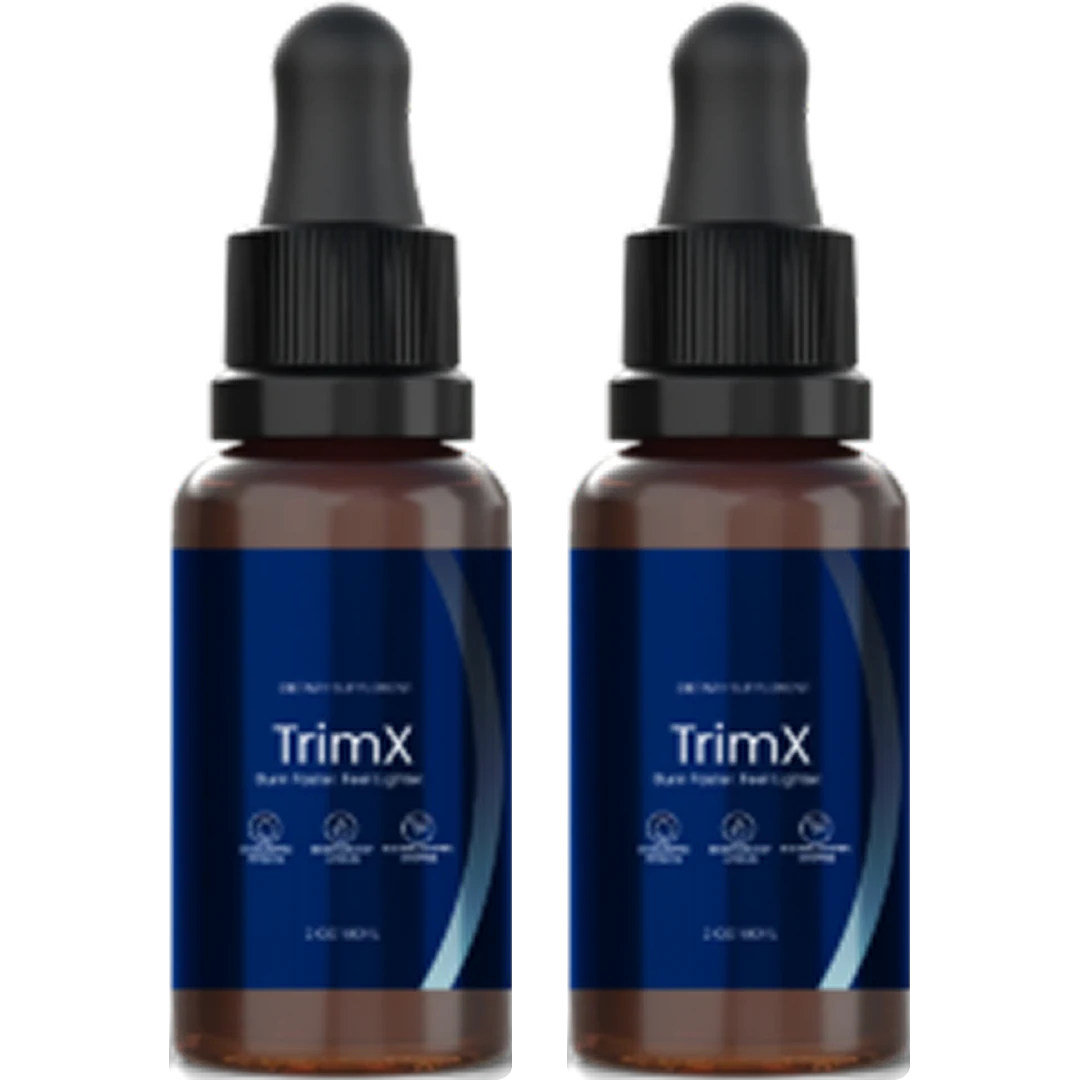
Take Control of Your Metabolism with TrimX Today
Don't let insulin resistance hold you back from achieving your weight loss goals and enjoying vibrant health. TrimX offers a natural, scientifically-backed approach to support your body's metabolic function.
- ✓ Supports healthy blood sugar levels
- ✓ Enhances insulin sensitivity
- ✓ Promotes natural fat burning
- ✓ Reduces cravings and appetite
- ✓ Boosts energy and vitality




Real Stories from TrimX Users
"I've struggled with my weight for years, always feeling hungry and tired. Since starting TrimX, combined with better eating habits, I feel so much more in control. My cravings are down, and I've finally started seeing real progress on the scale!"
"My doctor mentioned my blood sugar was creeping up, and I knew I needed to make changes. TrimX has been a fantastic addition to my new routine of walking and healthier meals. I have more energy, and my clothes are fitting better. Highly recommend!"
"I was skeptical at first, but the science behind TrimX made sense. After a few weeks, I noticed a significant difference in my energy levels and less of that afternoon slump. It feels like my body is finally working with me, not against me, in my weight loss efforts."
Frequently Asked Questions
What is insulin resistance?
+Insulin resistance is a condition where your body's cells don't respond effectively to insulin, a hormone produced by the pancreas. This means glucose (sugar) from your blood struggles to enter cells for energy, leading to higher blood sugar levels and increased insulin production.
How does insulin resistance lead to weight gain?
+When cells become insulin resistant, the pancreas produces more insulin to compensate. High insulin levels signal the body to store excess glucose as fat, particularly around the abdomen. It also inhibits fat burning, making weight loss extremely difficult.
What are the primary causes of insulin resistance?
+Key causes include a diet high in processed foods, refined carbohydrates, and sugar; lack of physical activity; chronic stress; poor sleep; and genetic predisposition. Excess body fat, especially visceral fat, also contributes significantly.
Can lifestyle changes reverse insulin resistance?
+Yes, lifestyle interventions are often the most effective way to improve or even reverse insulin resistance. This includes adopting a low-glycemic, whole-foods diet, engaging in regular physical activity (both cardio and strength training), managing stress, and ensuring adequate sleep.
How does TrimX support metabolic health in the context of insulin resistance?
+TrimX is formulated with natural ingredients designed to support healthy blood sugar metabolism, enhance insulin sensitivity, and promote fat burning. It aims to complement a healthy lifestyle by providing targeted nutritional support for individuals striving to manage their weight and improve metabolic function.
Is TrimX a substitute for diet and exercise?
+No, TrimX is intended as a dietary supplement to support a healthy lifestyle. It works best when combined with a balanced diet, regular exercise, and other healthy habits. Always consult with a healthcare professional before starting any new supplement regimen.
Related Articles