Struggling with obesity and seeking natural, sustainable solutions?
Obesity is a complex health challenge affecting millions worldwide, significantly increasing the risk of chronic diseases. While many solutions promise quick fixes, true, lasting change often comes from embracing holistic, natural lifestyle approaches that address the root causes of weight gain.
This comprehensive guide, authored by Dr. Sarah Collins, a Metabolic Health Researcher, delves into evidence-based strategies covering diet, exercise, sleep, stress management, and more, offering a roadmap to a healthier you. Discover how small, consistent changes can lead to significant and sustainable weight loss without relying on drastic measures.
Understanding Obesity: More Than Just Calories In, Calories Out
Obesity is a chronic, progressive disease characterized by excessive body fat that can impair health. It's often misunderstood as a simple matter of willpower or overeating, but the reality is far more complex.
While energy balance (calories consumed vs. calories expended) is fundamental, obesity is influenced by a myriad of factors including genetics, environment, metabolism, hormones, sleep patterns, stress levels, gut microbiome, and even certain medications. This complexity means that a successful approach to treating obesity naturally must be multifaceted and personalized, addressing these underlying contributors rather than just focusing on the scale.
The health consequences of obesity are extensive, ranging from an increased risk of type 2 diabetes, heart disease, stroke, certain cancers, and sleep apnea, to musculoskeletal problems and mental health issues. Recognizing obesity as a serious medical condition, rather than a personal failing, is the first step towards seeking effective and sustainable natural treatments.
💡 Key Takeaway
Obesity is a complex health condition driven by genetic, environmental, hormonal, and lifestyle factors. Effective natural treatment requires a holistic approach addressing diet, physical activity, sleep, and stress, rather than simplistic calorie counting alone.
Foundational Pillars: Diet and Nutrition for Natural Weight Loss
Diet is arguably the most critical component of any natural obesity treatment plan. It's not about restrictive fad diets, but about sustainable, nutrient-dense eating patterns that nourish your body and support metabolic health.
Emphasizing whole, unprocessed foods is paramount. This includes a rich variety of fruits, vegetables, lean proteins, healthy fats, and complex carbohydrates. These foods are naturally high in fiber, vitamins, and minerals, promoting satiety, stable blood sugar levels, and optimal bodily function. Conversely, limiting highly processed foods, sugary drinks, and excessive refined carbohydrates is crucial, as these contribute to inflammation, insulin resistance, and increased fat storage.
Mindful eating practices are equally important. Paying attention to hunger and fullness cues, eating slowly, and savoring meals can prevent overeating and improve digestion. Understanding portion sizes and avoiding emotional eating are also vital steps. Consider adopting eating patterns like the Mediterranean diet, which emphasizes plant-based foods, healthy fats, and moderate protein, or intermittent fasting, which can improve insulin sensitivity and promote fat burning.
For more specific insights into how certain natural extracts can support healthy metabolism and appetite control, you might find our article on African Mango and Green Tea Extract for Weight Loss particularly informative.
The Power of Movement: Incorporating Physical Activity
Physical activity is a non-negotiable aspect of natural obesity treatment. It not only burns calories but also improves insulin sensitivity, builds muscle mass, boosts metabolism, enhances mood, and reduces the risk of chronic diseases.
Cardiovascular Exercise
Engage in moderate-intensity aerobic activities like brisk walking, jogging, cycling, swimming, or dancing for at least 150-300 minutes per week. This helps improve heart health, burn calories, and enhance overall endurance. Consistency is more important than intensity initially.
Strength Training
Incorporate strength training exercises at least two to three times per week. Building muscle mass is crucial as muscle tissue burns more calories at rest than fat tissue, boosting your basal metabolic rate. This can include bodyweight exercises, lifting weights, or using resistance bands.
Flexibility and Balance
Don't overlook activities like yoga, Pilates, or stretching. These improve flexibility, balance, and core strength, which can prevent injuries and make other forms of exercise more accessible and enjoyable. They also contribute to stress reduction and mental well-being.
NEAT (Non-Exercise Activity Thermogenesis)
Increase your daily movement outside of structured workouts. Take the stairs, walk during phone calls, stand more, or park further away. These small, consistent movements add up, contributing significantly to your overall calorie expenditure throughout the day.
The Unsung Heroes: Sleep and Stress Management
Often underestimated, adequate sleep and effective stress management are powerful allies in the natural fight against obesity. Their impact on hormones and metabolism is profound.
Lack of sleep disrupts the balance of two key appetite-regulating hormones: ghrelin and leptin. Ghrelin, the "hunger hormone," increases when you're sleep-deprived, making you feel hungrier. Leptin, the "satiety hormone," decreases, meaning you don't feel full even after eating. This hormonal imbalance often leads to increased cravings for high-calorie, high-carb foods and greater overall calorie intake. Aim for 7-9 hours of quality sleep per night. Establish a consistent sleep schedule, create a relaxing bedtime routine, and optimize your sleep environment to support this vital aspect of health.
Chronic stress similarly impacts weight through the release of cortisol. Elevated cortisol levels can increase appetite, promote fat storage (especially visceral fat around the abdomen), and contribute to emotional eating. Finding healthy ways to manage stress—such as meditation, deep breathing exercises, yoga, spending time in nature, or engaging in hobbies—is crucial for metabolic health and preventing stress-induced weight gain. Addressing these often-overlooked factors can unlock significant progress in your natural obesity treatment journey.
Hydration and Gut Health: Essential Supporting Factors
Beyond diet, exercise, sleep, and stress, two other natural elements play a significant, often understated, role in managing obesity: proper hydration and a healthy gut microbiome.
Staying adequately hydrated is fundamental. Water is essential for numerous bodily functions, including metabolism, nutrient transport, and waste elimination. Drinking enough water can also help with satiety, reducing overall calorie intake, and can sometimes be mistaken for hunger. Aim for at least 8 glasses (around 2 liters) of water daily, and more if you're exercising or in a hot climate. Opt for plain water over sugary beverages, which are major contributors to weight gain.
The health of your gut microbiome—the trillions of bacteria living in your intestines—has emerged as a critical factor in weight management. An imbalanced gut flora (dysbiosis) can influence how you store fat, how you respond to insulin, and even how you feel hunger and satiety. To foster a healthy gut, consume a diet rich in fiber (prebiotics) from fruits, vegetables, and whole grains, and include probiotic-rich foods like yogurt, kefir, sauerkraut, and kimchi. A healthy gut supports better digestion, nutrient absorption, and can positively impact metabolic health, making it an integral part of natural obesity treatment.
Mindset and Behavioral Changes: Sustaining Your Progress
Sustainable weight loss isn't just about physical changes; it's deeply rooted in psychological and behavioral shifts. Developing a positive mindset and adopting new habits are crucial for long-term success in treating obesity naturally.
Setting realistic and achievable goals is the cornerstone of effective behavioral change. Instead of aiming for drastic weight loss, focus on small, incremental steps that are sustainable. Celebrate non-scale victories, such as increased energy, better sleep, or improved fitness levels, to maintain motivation. Self-monitoring through food journals or activity trackers can provide valuable insights into your habits and help you identify areas for improvement. This awareness empowers you to make conscious choices.
Seeking social support from friends, family, or support groups can significantly boost your chances of success. Sharing your journey, challenges, and triumphs with others creates a sense of accountability and encouragement. Additionally, working with a registered dietitian, health coach, or therapist can provide personalized guidance and strategies to overcome emotional eating, negative thought patterns, and other behavioral barriers to weight loss. Remember, consistency and patience are key; setbacks are normal, but learning from them and getting back on track is what truly matters.
The Role of Natural Supplements in Obesity Treatment
While lifestyle changes form the bedrock of natural obesity treatment, certain natural supplements can offer complementary support, helping to optimize metabolic function, curb appetite, and enhance fat burning. It's crucial to view supplements as aids, not replacements, for healthy habits.
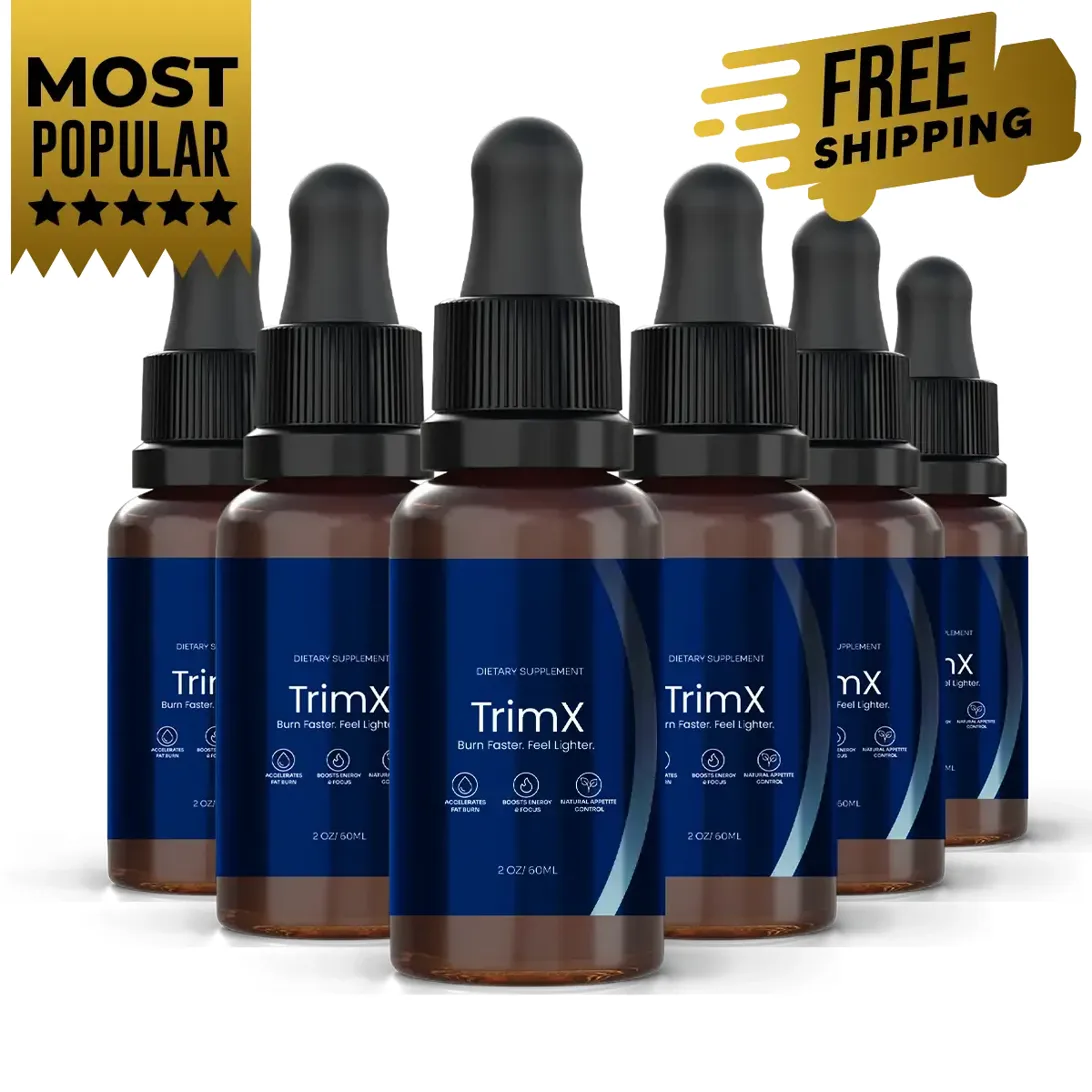
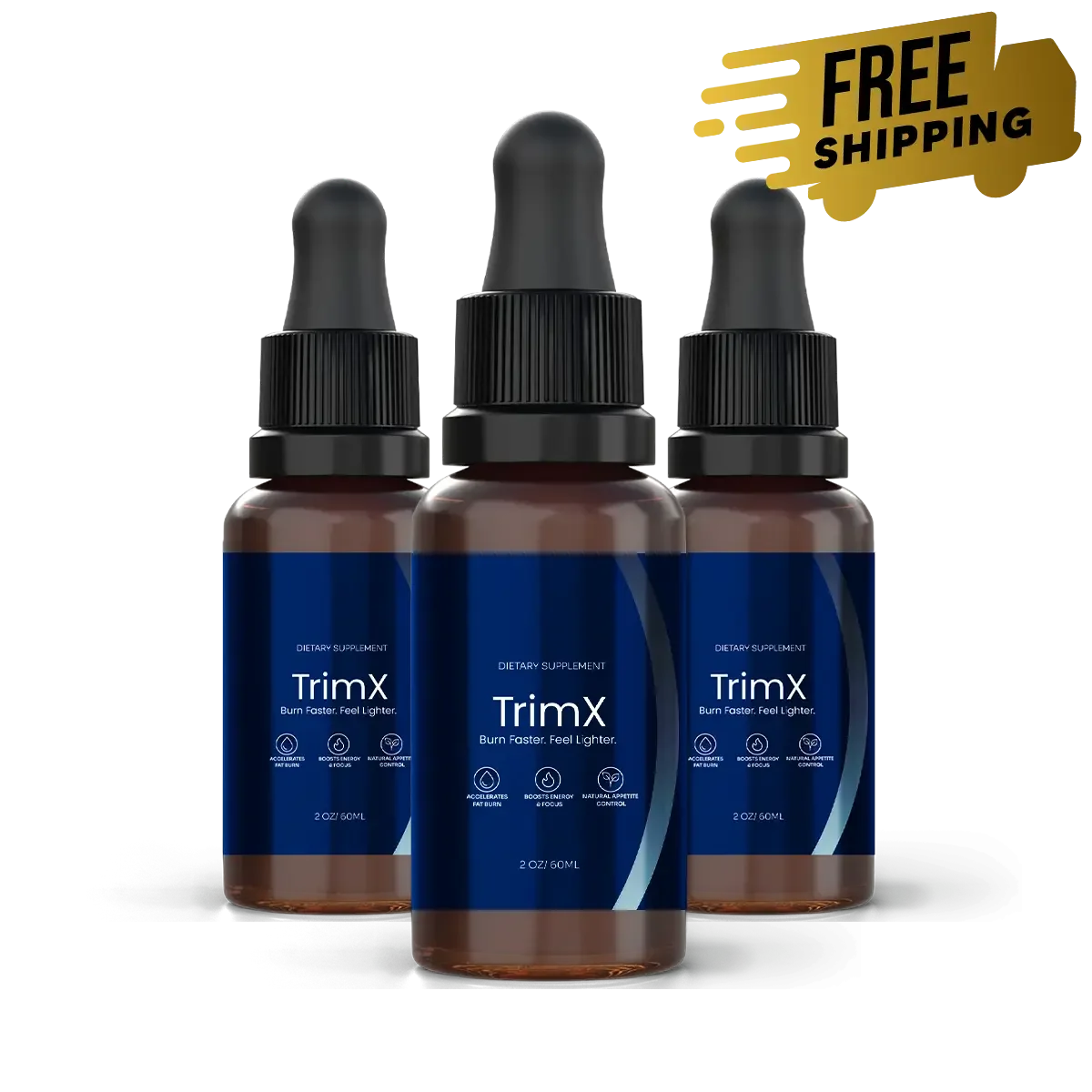
Supplements like TrimX are designed to work synergistically with your body's natural processes. They often contain ingredients known for their potential to support various aspects of weight management, such as boosting metabolism, reducing cravings, and improving energy levels. When considering a supplement, look for products that are transparent about their ingredients, clinically studied, and manufactured under strict quality controls.
It's always recommended to consult with a healthcare professional before adding any new supplement to your regimen, especially if you have existing health conditions or are taking medications. They can help determine if a supplement is appropriate for your individual needs and ensure it won't interact negatively with other treatments. For a deeper dive into the specific components and their benefits, you can refer to our detailed TrimX Ingredients Breakdown.
Key Natural Ingredients Supporting Weight Management
Many natural compounds have been studied for their potential to aid in weight management. Here are a few prominent examples often found in supportive supplements like TrimX, chosen for their roles in metabolism, appetite, or fat burning.
Green Tea Extract (EGCG)
Role: Rich in antioxidants called catechins, particularly EGCG, which is known to boost metabolism and enhance fat oxidation (fat burning), especially during exercise. It may also help regulate blood sugar.
African Mango (Irvingia Gabonensis)
Role: Research suggests it may help reduce appetite by influencing leptin sensitivity and inhibiting the enzyme glycerol-3-phosphate dehydrogenase, which is involved in converting sugar to fat. It also contributes to healthy cholesterol levels.
Chromium Picolinate
Role: An essential trace mineral that enhances the action of insulin, helping to regulate blood sugar levels. This can reduce cravings for carbohydrates and sweets, supporting stable energy and fat metabolism.
Apple Cider Vinegar
Role: May promote satiety, reduce blood sugar spikes after meals, and potentially aid in fat metabolism. Its acetic acid content is believed to contribute to these benefits, supporting digestive health and weight management.
White Kidney Bean Extract
Role: Acts as a "starch blocker" by inhibiting the digestive enzyme alpha-amylase, which breaks down complex carbohydrates. This can reduce the absorption of carbs, leading to fewer calories absorbed from starchy foods.
Garcinia Cambogia (HCA)
Role: Contains Hydroxycitric Acid (HCA), which is thought to suppress appetite and inhibit an enzyme called citrate lyase, preventing the body from making fat from carbohydrates. It may also increase serotonin levels, improving mood and reducing emotional eating.
Ready to Embrace a Healthier You with TrimX?
If you're committed to treating obesity naturally through lifestyle changes and are looking for a trusted, all-natural supplement to support your journey, TrimX offers a powerful blend of ingredients designed to complement your efforts. Crafted to help optimize metabolism, control appetite, and boost energy, TrimX is a step towards achieving your weight management goals.
- ✓ Supports Healthy Metabolism
- ✓ Helps Reduce Cravings & Appetite
- ✓ Boosts Natural Energy Levels
- ✓ Made with 100% Natural Ingredients
- ✓ Manufactured in a GMP Certified Facility



Hear From Our Satisfied Customers
"TrimX has been a game-changer for my energy levels and helped curb my late-night cravings. I've combined it with my new walking routine, and the results are truly encouraging. Feeling lighter and more active!"
"I was skeptical about supplements, but TrimX's natural approach appealed to me. It's helped me stick to my diet by managing my appetite, and I feel more focused. Definitely recommend trying it if you're looking for extra support."
"After years of struggling, TrimX, along with my improved sleep and diet, has made a noticeable difference. My metabolism feels more active, and I'm finally seeing consistent progress. Plus, no jitters!"
Frequently Asked Questions
What is the most effective natural approach to obesity treatment?
+A holistic approach combining dietary changes, regular physical activity, adequate sleep, and stress management is generally most effective. There isn't one "most effective" single solution, but rather a synergistic combination of healthy habits.
How long does it take to see results with natural obesity treatments?
+Results vary greatly depending on individual factors, consistency, and the extent of lifestyle changes. Sustainable weight loss is typically gradual, around 1-2 pounds per week, which means visible changes can take several weeks to months. Focus on long-term health, not quick fixes.
Can diet alone cure obesity?
+While diet plays a crucial role, obesity is a complex condition influenced by multiple factors. A healthy diet is foundational, but combining it with physical activity, proper sleep, and stress reduction offers a more comprehensive and sustainable solution for managing and reversing obesity.
Are natural supplements like TrimX safe for long-term use?
+Natural supplements, including those like TrimX, are generally formulated with ingredients recognized for their safety. However, it's always recommended to consult with a healthcare professional before starting any new supplement, especially for long-term use, to ensure it's appropriate for your individual health needs and doesn't interact with other medications.
What role does stress play in weight gain and obesity?
+Chronic stress can significantly contribute to weight gain and obesity. It triggers the release of cortisol, a hormone that can increase appetite, promote fat storage (especially visceral fat), and lead to emotional eating. Managing stress through techniques like meditation or yoga is vital for weight management.
How important is sleep in a natural obesity treatment plan?
+Sleep is critically important. Insufficient or poor-quality sleep disrupts hormones that regulate appetite (ghrelin and leptin), leading to increased hunger and cravings for high-calorie foods. Aim for 7-9 hours of quality sleep per night to support metabolic health and weight loss efforts.
Related Articles