Struggling to lose weight despite your efforts?
You're not alone. Many individuals find themselves stuck in a cycle of dieting and exercise without seeing the desired results, often overlooking a critical factor: their metabolism. Your metabolism is the engine that drives your body, converting food into energy and influencing how efficiently you burn fat.
Understanding how to optimize this intricate system through targeted exercise is key to unlocking sustainable weight loss and achieving a healthier, more energetic you. This article will delve into the science-backed workout strategies that can give you a significant metabolic advantage, helping you burn fat faster and more effectively.
Understanding Your Metabolism: More Than Just Calories In, Calories Out
Before we dive into specific exercises, it's crucial to grasp what metabolism truly entails. It's not a single process but a complex network of biochemical reactions that convert food into energy, build and repair cells, and eliminate waste. Your metabolic rate, or how many calories your body burns, is influenced by several factors:
Your Basal Metabolic Rate (BMR) accounts for the majority of calories burned daily – the energy your body needs to perform essential functions like breathing, circulation, and cell production, even at rest. Beyond BMR, there's the Thermic Effect of Food (TEF), which is the energy expended to digest, absorb, and process nutrients. Then there's Non-Exercise Activity Thermogenesis (NEAT), encompassing all calories burned from activities that aren't formal exercise, like fidgeting, standing, or walking to your car. Finally, Exercise Activity Thermogenesis (EAT) is the calories burned during structured workouts.
For individuals managing or seeking to prevent obesity, understanding these components is paramount. A slow metabolism can make weight loss incredibly challenging, as the body conserves energy and stores excess calories as fat. Factors like age, genetics, body composition (muscle vs. fat), and lifestyle choices all play a significant role in determining your metabolic speed. While some factors are beyond our control, exercise offers a powerful, modifiable lever to significantly boost your metabolic engine.
💡 Key Takeaway
Metabolism is a complex system influenced by BMR, TEF, NEAT, and EAT. For effective fat loss, especially in managing obesity, understanding and actively boosting your metabolic rate through strategic exercise is more effective than simply restricting calories.
The Power of Exercise: How Workouts Supercharge Your Metabolism
Exercise is arguably the most potent tool in your arsenal for boosting metabolism and accelerating fat loss. It impacts your metabolic rate in multiple ways, both during and long after your workout.
Firstly, exercise directly increases your calorie expenditure during the activity itself. The more intense and longer the workout, the more calories you burn. But the metabolic benefits extend far beyond the immediate session. One of the most significant effects is known as Excess Post-exercise Oxygen Consumption (EPOC), often referred to as the "afterburn effect." After a challenging workout, your body continues to burn calories at an elevated rate for hours, or even days, as it recovers, repairs muscle tissue, and restores physiological processes to their resting state. This means your body is still a fat-burning machine even when you're resting on the couch!
Secondly, and perhaps most importantly for long-term metabolic health, exercise – particularly strength training – helps you build and maintain muscle mass. Muscle tissue is metabolically much more active than fat tissue. Every pound of muscle burns more calories at rest than a pound of fat. Therefore, increasing your muscle mass directly translates to a higher BMR, meaning your body naturally burns more calories 24/7, even when you're not exercising. This is a game-changer for sustainable weight management and combating the metabolic slowdown often associated with aging or chronic weight gain.
Top Exercise Strategies to Boost Metabolism and Burn Fat
Not all exercises are created equal when it comes to metabolic impact. While any physical activity is beneficial, certain types of workouts are particularly effective at revving up your metabolic furnace and maximizing fat burn. Here are the top strategies:
High-Intensity Interval Training (HIIT)
HIIT involves short bursts of intense exercise followed by brief periods of rest or low-intensity activity. This method is incredibly effective for triggering a significant EPOC effect, leading to increased calorie burn long after your workout. It also improves cardiovascular fitness and can enhance your body's ability to burn fat for fuel. Examples include sprint intervals, burpees, jump squats, or battle ropes.
Strength Training (Resistance Training)
As mentioned, building muscle is fundamental for a higher resting metabolism. Strength training involves working your muscles against resistance, whether it's weights, resistance bands, or your own body weight. Aim for full-body workouts 2-3 times a week, focusing on compound movements like squats, deadlifts, presses, and rows. Consistency in strength training is key to continually increasing muscle mass and, consequently, your BMR.
Metabolic Conditioning (MetCon)
Metabolic conditioning combines elements of strength training and cardio into a fast-paced, circuit-style workout. The goal is to keep your heart rate elevated and your muscles working continuously, maximizing calorie burn during and after the session. Think of exercises like kettlebell swings, box jumps, medicine ball slams, or plyometrics performed with minimal rest between sets. This method is excellent for simultaneously building endurance and muscle while boosting metabolism.
Steady-State Cardiovascular Exercise
While HIIT gets a lot of attention for EPOC, traditional cardio like jogging, cycling, or swimming still plays a vital role. Long, moderate-intensity cardio sessions primarily burn calories during the activity itself and improve cardiovascular health. It's an excellent complement to strength and HIIT, helping to build an aerobic base and contribute to overall daily calorie expenditure. Aim for at least 150 minutes of moderate-intensity cardio per week.
Non-Exercise Activity Thermogenesis (NEAT)
Don't underestimate the power of NEAT! This includes all the calories you burn from daily movements that aren't structured exercise. Increasing your NEAT can significantly boost your total daily energy expenditure. Simple habits like taking the stairs instead of the elevator, parking further away, standing while working, or taking short walking breaks throughout the day can add up to hundreds of extra calories burned, making a real difference in your fat loss journey.
Structuring Your Workouts for Optimal Metabolic Boost
To truly maximize your metabolism and accelerate fat burning, a well-rounded approach that integrates various exercise types is most effective. There's no single "best" workout; rather, it's about creating a synergistic program.
A common mistake is focusing solely on one type of exercise. For example, relying only on long-duration cardio might help burn calories during the workout, but it won't build the muscle mass necessary for a sustained metabolic boost. Similarly, only doing strength training without any cardiovascular component might neglect heart health and overall endurance. The ideal strategy involves combining the benefits of each.
Consider a weekly schedule that includes 2-3 days of strength training, 1-2 days of HIIT or MetCon, and 1-2 days of moderate-intensity cardio. Remember to incorporate active recovery days and prioritize rest to allow your body to repair and grow. Progressive overload in strength training (gradually increasing weight, reps, or sets) and pushing your limits in HIIT are crucial for continued adaptation and metabolic improvement. Consistency, rather than sporadic intense efforts, is the ultimate key to success.
For those looking to optimize their fat-burning potential even further, exploring options like the best fat-burning supplements 2026 can provide complementary support to a dedicated exercise and diet regimen. These supplements are designed to work in conjunction with your efforts, not replace them.
Beyond Exercise: Lifestyle Factors for a Thriving Metabolism
While exercise is a cornerstone of a healthy metabolism, it operates within a broader lifestyle context. To truly optimize your body's fat-burning capabilities, you must also address other critical factors that significantly influence your metabolic health.
Nutrition: Your diet plays an enormous role. Prioritize whole, unprocessed foods, ample protein, healthy fats, and complex carbohydrates. Protein has the highest TEF, meaning your body burns more calories digesting it. Adequate fiber intake supports gut health, which is increasingly linked to metabolic function. Avoiding excessive sugar and refined carbs helps prevent insulin resistance, a common metabolic disruptor. Remember, you can't out-exercise a poor diet.
Sleep: Quality sleep is non-negotiable for metabolic health. Sleep deprivation disrupts hormones like ghrelin (hunger hormone) and leptin (satiety hormone), leading to increased cravings and reduced willpower. It also impairs insulin sensitivity and can elevate cortisol levels, promoting fat storage, particularly around the abdomen. Aim for 7-9 hours of quality sleep per night to allow your body to recover and regulate metabolic processes.
Stress Management: Chronic stress leads to elevated cortisol, a hormone that can promote fat storage and muscle breakdown, directly counteracting your metabolic goals. Incorporate stress-reducing practices into your daily routine, such as meditation, yoga, deep breathing exercises, spending time in nature, or engaging in hobbies you enjoy. Managing stress effectively supports a balanced hormonal environment conducive to fat loss.
Hydration: Water is essential for every metabolic process in your body. Dehydration can slow down your metabolism, impair exercise performance, and even be mistaken for hunger. Make sure you're drinking plenty of water throughout the day, especially before, during, and after workouts. Staying well-hydrated helps your body function optimally and supports efficient fat burning.
For those interested in exploring additional support for their metabolic goals, researching a natural stimulant-free fat burner could be beneficial. These types of supplements are designed to work gently with your body's natural processes without the jitters or crashes associated with stimulant-heavy options.
TrimX: A Natural Ally in Your Metabolic Journey
While exercise and lifestyle adjustments are paramount, sometimes our bodies can benefit from targeted support to optimize metabolic function. This is where a well-formulated supplement like TrimX can play a complementary role.
Green Tea Extract
Rich in catechins, particularly EGCG, green tea extract is known for its thermogenic properties. It helps increase energy expenditure and fat oxidation, supporting your body's natural fat-burning processes.
Chromium Picolinate
This essential trace mineral plays a crucial role in carbohydrate and lipid metabolism. It helps enhance insulin sensitivity, which is vital for efficient glucose utilization and can reduce cravings for unhealthy foods.
Alpha-Lipoic Acid (ALA)
A powerful antioxidant, ALA is involved in energy metabolism and has been shown to improve insulin sensitivity and support healthy blood sugar levels. It can also aid in converting glucose into energy.
Capsimax® (Capsicum Extract)
Derived from red chili peppers, Capsimax® contains capsaicinoids that naturally increase thermogenesis and lipolysis (fat breakdown). This leads to an increased calorie burn and helps mobilize stored fat for energy.
L-Carnitine
An amino acid derivative, L-Carnitine plays a critical role in transporting fatty acids into the mitochondria, where they are burned for energy. This makes it a key player in supporting your body's fat utilization during exercise.
Garcinia Cambogia Extract
Containing Hydroxycitric Acid (HCA), Garcinia Cambogia is often included in weight management formulas for its potential role in inhibiting fat production and suppressing appetite, making it easier to adhere to a healthy diet.
TrimX is formulated with a blend of natural ingredients designed to work synergistically with your body to enhance metabolic rate, support healthy fat burning, and improve energy levels. It’s not a magic pill, but a scientifically-backed aid to complement your consistent efforts in exercise and nutrition. For more information on how to choose effective metabolic support, you might want to read about the best fat burning supplement options available.
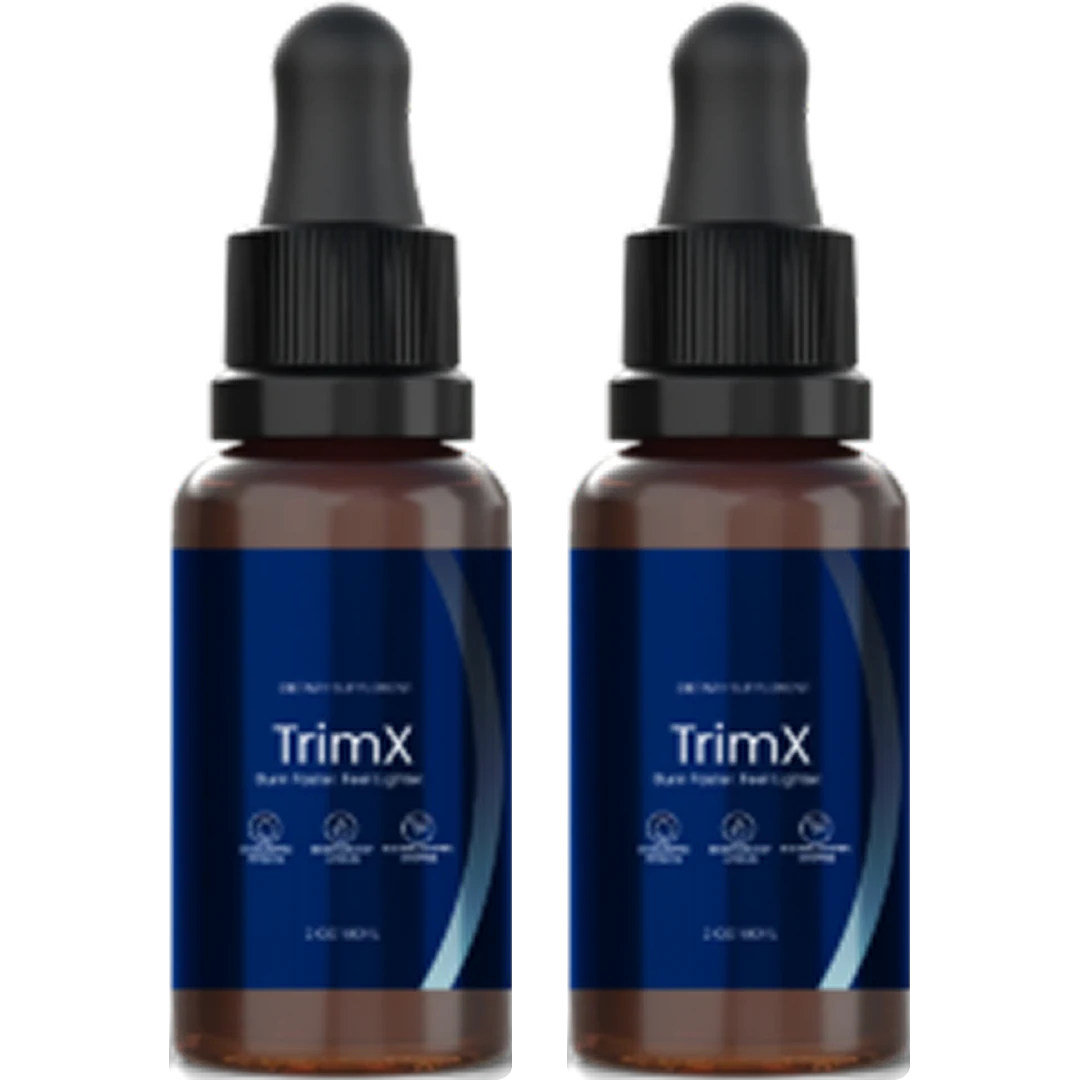
Ready to Accelerate Your Metabolism and Burn Fat?
Take the next step in your metabolic health journey. TrimX is designed to support your body's natural metabolic processes, helping you maximize your fat-burning potential and achieve your weight management goals more efficiently.
- ✓ Boosts Resting Metabolic Rate
- ✓ Enhances Natural Fat Burning
- ✓ Supports Healthy Energy Levels
- ✓ Made with 100% Natural Ingredients
- ✓ Backed by a 60-Day Money-Back Guarantee


Bringing It All Together: Your Path to a Faster Metabolism
Mastering your metabolism and achieving lasting fat loss is a journey that requires a multifaceted approach. It's not about quick fixes but about cultivating sustainable habits that empower your body to become a more efficient fat-burning machine.
By consistently incorporating a variety of exercises – from the intensity of HIIT and MetCon to the muscle-building power of strength training and the foundational benefits of steady-state cardio and increased NEAT – you create a powerful synergy. Each type of activity contributes uniquely to boosting your metabolism, increasing calorie expenditure, building lean muscle, and enhancing your body's ability to utilize fat for fuel. Remember that exercise is just one piece of the puzzle; pairing it with thoughtful nutrition, adequate sleep, and effective stress management will amplify your results.
Embrace the process, listen to your body, and celebrate every small victory. The commitment to a metabolically active lifestyle will not only help you achieve your fat loss goals but also lead to improved energy, better mood, and overall enhanced well-being. Your metabolism is a dynamic system, and with the right strategies, you have the power to optimize it for a healthier, leaner future.
Real Results, Real People
"I've struggled with my weight for years, but integrating these exercises and adding TrimX has truly changed my life. My energy levels are up, and I'm finally seeing consistent fat loss!"
"The combination of strength training and HIIT, along with TrimX, made a noticeable difference in my metabolism. I feel stronger, leaner, and my clothes fit better than ever before."
"I was skeptical at first, but after a few weeks of following the advice in this article and taking TrimX, my metabolism feels completely re-energized. It's a fantastic support for my fitness goals!"
Frequently Asked Questions
What is metabolism and why is it important for fat loss?
+Metabolism refers to all the chemical processes that occur in your body to maintain life. It converts food into energy, builds and repairs tissues, and eliminates waste. A higher metabolic rate means your body burns more calories at rest, which is crucial for effective and sustainable fat loss.
How does High-Intensity Interval Training (HIIT) boost metabolism?
+HIIT boosts metabolism primarily through a phenomenon called EPOC (Excess Post-exercise Oxygen Consumption), also known as the 'afterburn effect.' After an intense HIIT session, your body continues to burn calories at an elevated rate for hours as it recovers, repairs muscles, and restores oxygen levels.
Why is strength training essential for burning fat?
+Strength training builds muscle mass, and muscle tissue is metabolically more active than fat tissue. This means that the more muscle you have, the more calories your body burns at rest (your Basal Metabolic Rate). Strength training also causes microscopic tears in muscle fibers, requiring energy for repair and growth, further increasing post-exercise calorie burn.
Can low-intensity exercise also contribute to fat burning?
+Yes, absolutely. While high-intensity workouts are great for boosting EPOC, consistent low-intensity activities, collectively known as NEAT (Non-Exercise Activity Thermogenesis), contribute significantly to daily calorie expenditure. Activities like walking, standing, and taking the stairs can add up to a substantial calorie burn over time, supporting overall fat loss.
How long does it take to see metabolic improvements from exercise?
+Metabolic improvements can begin almost immediately with increased activity. However, significant and sustainable changes, such as increased muscle mass and a noticeable boost in BMR, typically take several weeks to a few months of consistent effort. Diet, sleep, and consistency are also critical factors in accelerating these changes.
Are there any risks associated with intense metabolic workouts?
+As with any exercise regimen, there are potential risks, especially with high-intensity workouts like HIIT. These can include injury from improper form, overtraining, or exacerbating existing medical conditions. It's crucial to start slowly, listen to your body, warm up properly, cool down, and consult with a healthcare professional or certified trainer before beginning any new or intense exercise program, particularly if you have underlying health concerns.
Related Articles